Start Your Fiber Laser Ceramic Ring Search
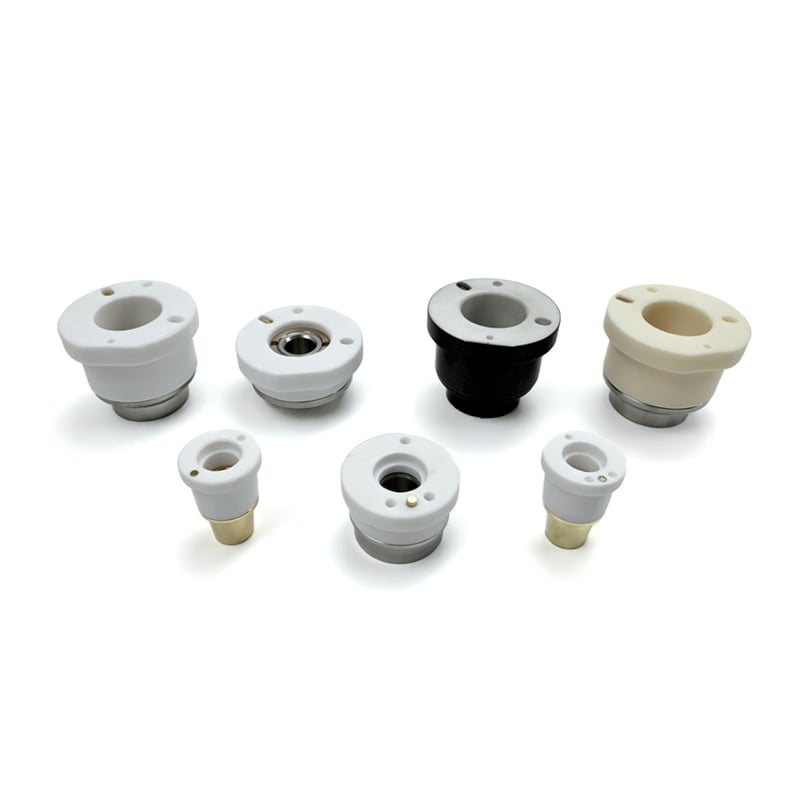
A fiber laser ceramic ring is selected for a place in a cutting head, not by appearance alone. Start a fiber laser ceramic ring search with the full head model and any part number on the old unit. Note whether the item you need is the ring itself or a nozzle holder. A photo can help a supplier see the form, but a photo is not proof of fit. Keep the old part label, drawing or service record if you have one.
Use the fiber laser ceramic ring product name as a lead rather than a final match. Some records name a head family, while the machine in use may have a specific revision. Ask the service team to check that detail. If a model plate is hard to read, record what is clear and mark the rest as unknown. That is better than filling a gap with a guess.
Compare Fiber Laser Ceramic Ring Applications
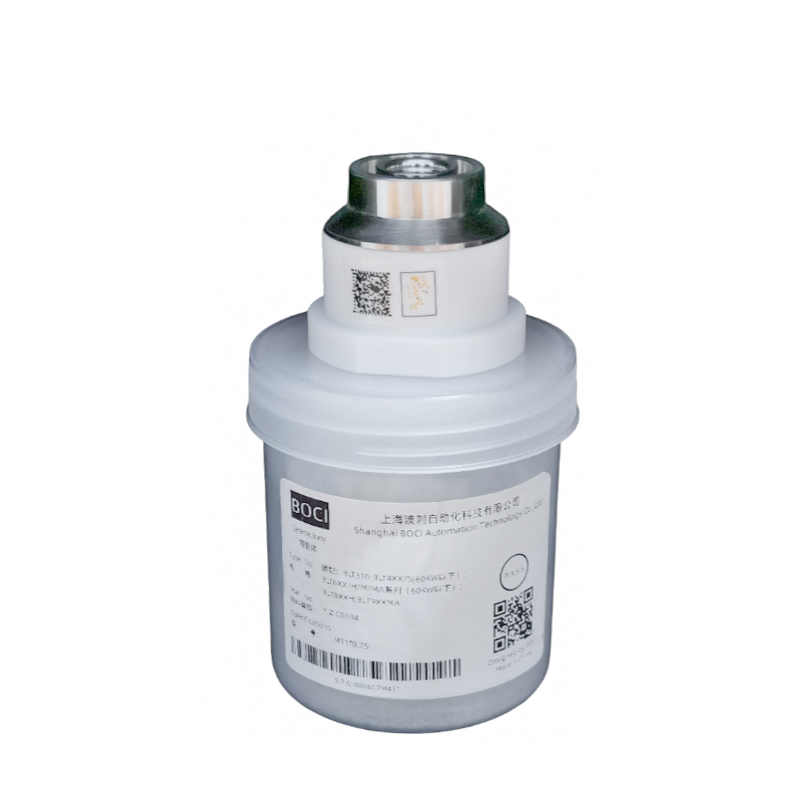
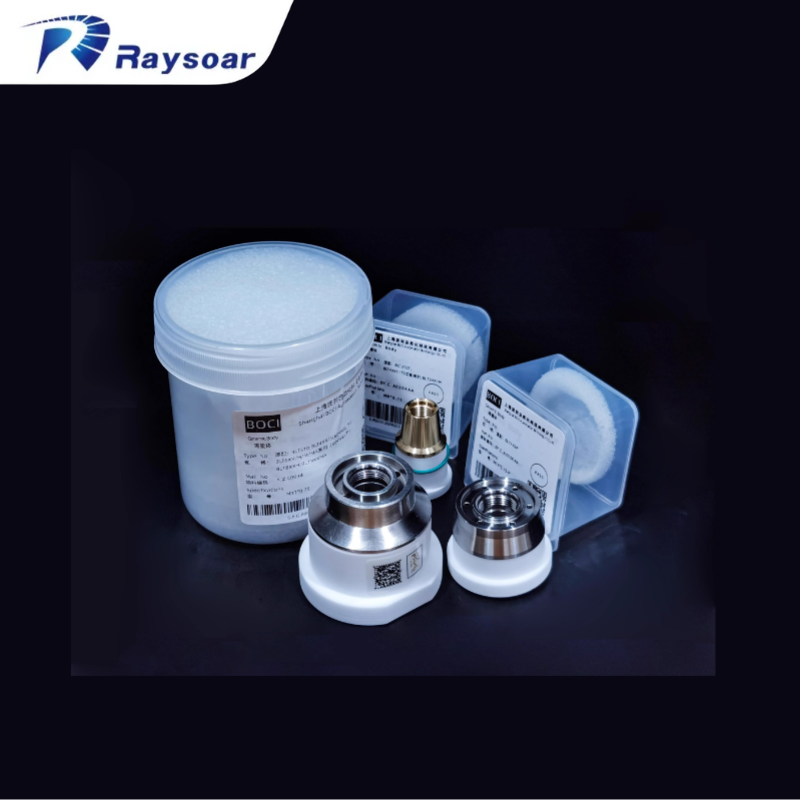
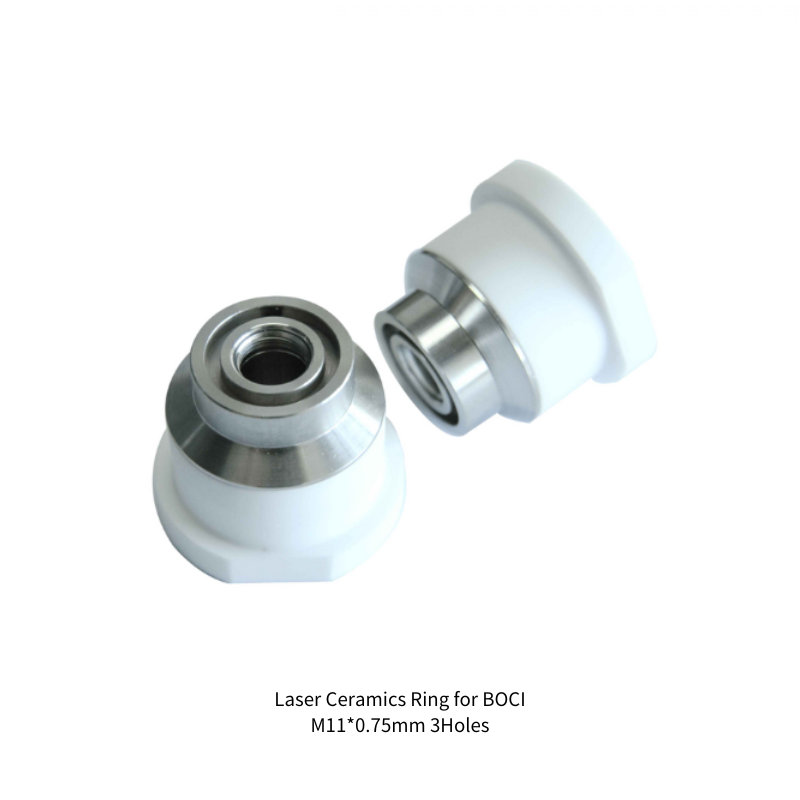
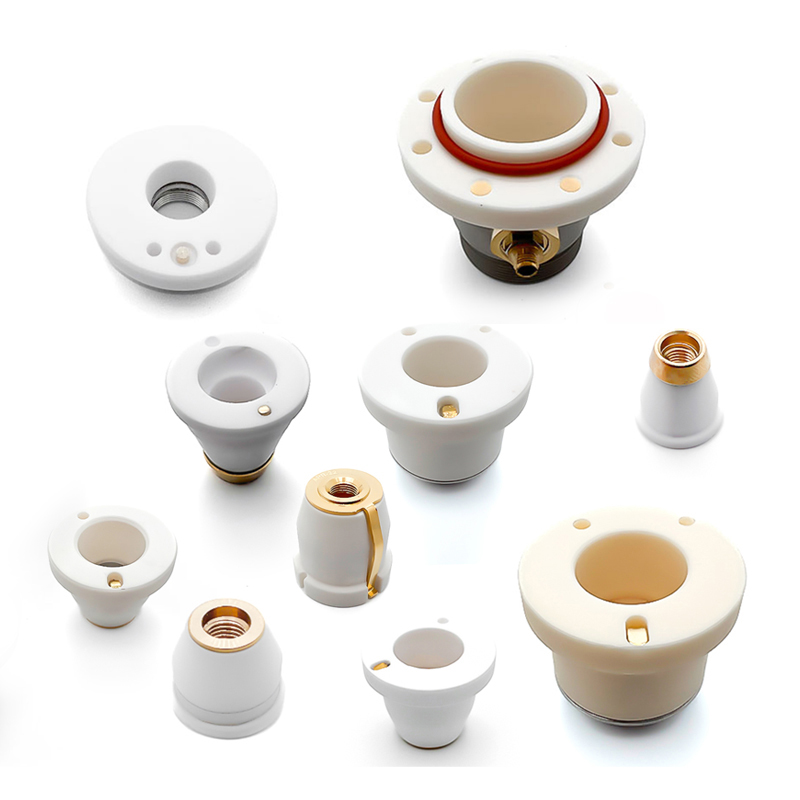
The BOCI holder record lists M11*0.75 for BLT4XX, 6X1, 6X2H, 310 and 8 series flat cutting heads. It lists M8*0.75 for BLT310T, 42X1T and BLT5X0H 3D heads. It also lists M11*0.75-P for BLT4X2P and M11*0.75-S for BLT6120H, BLTA and BLT9 series heads. Treat these fiber laser ceramic ring record entries as details to review, not as a substitute for checking your exact model and part number.
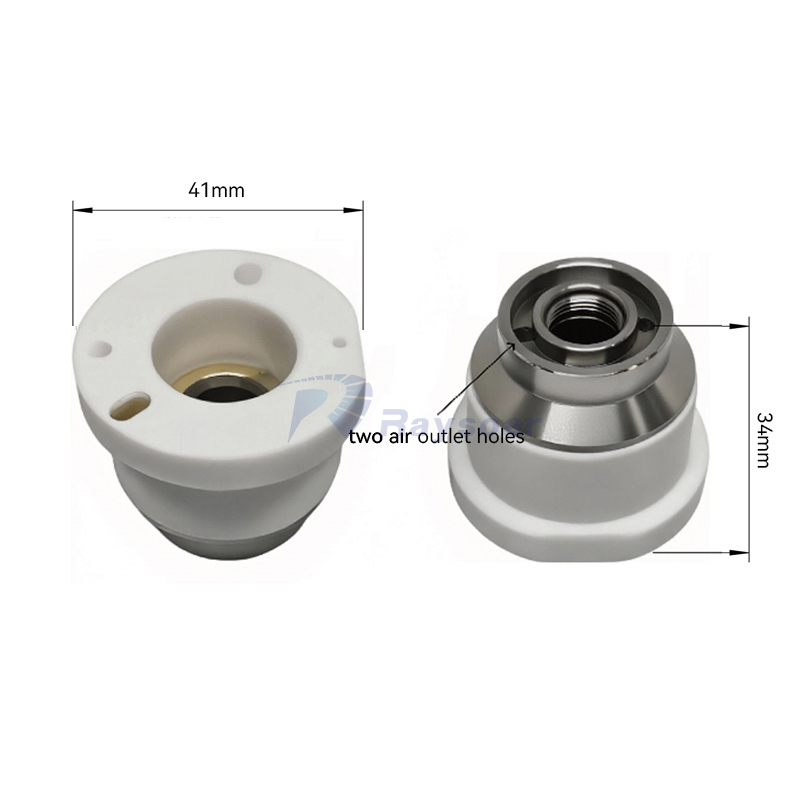
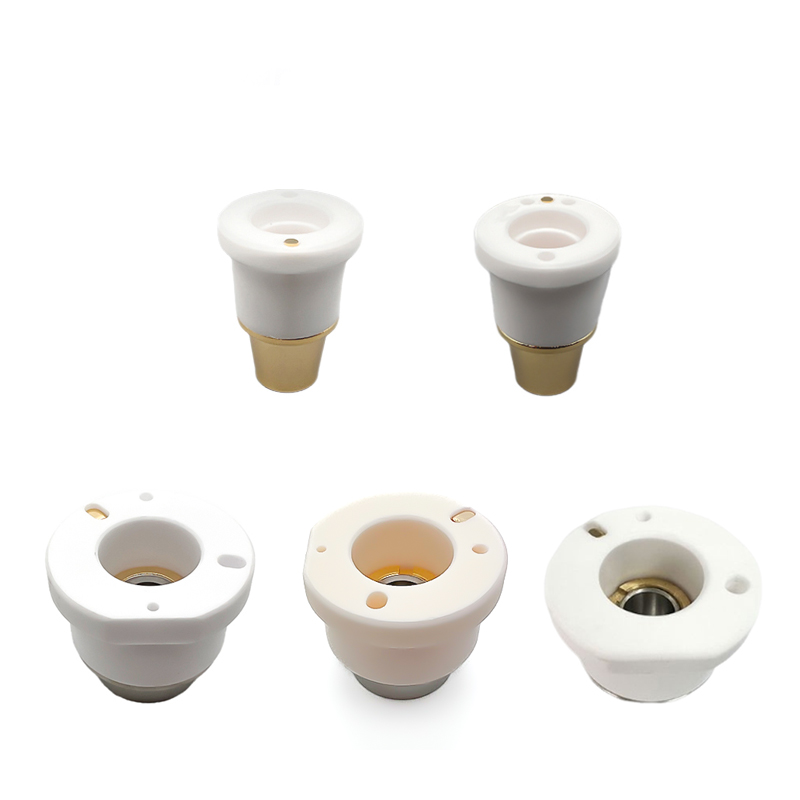
The D41 M11 H34 mm product with two air outlet holes is listed for BOCI flat cutting heads. A separate record shows M11*0.75 versions with three or four holes for listed head series. These records have similar titles but do not establish that the parts are the same. Ask which record and hole layout match your setup before selecting a holder.
Plan the Work Around the Head
Before any fiber laser ceramic ring work, follow the machine maker's safety and shutdown instructions. Only trained staff should work on the head. Do not infer a safe method from a product image or force a part into place. The ring, nozzle and surrounding head interfaces all need to match the machine's service guidance. If the service manual calls for a check or setup step after a part change, include it in the work plan.
Lay out the removed parts in order and keep them clean as directed by the head maker. Look for visible damage and record it for the service team. If a part or mating face looks damaged, pause and ask for advice rather than trying to correct it by force. A replacement may need more review when the head has been changed or repaired since the last service.
Keep a Fiber Laser Ceramic Ring Record
Log the head model, part reference and date when a fiber laser ceramic ring replacement is fitted. Record the source of each detail, such as a nameplate, drawing or service note. This makes it easier to separate confirmed facts from checks still needed. It also gives the next buyer a useful reference when searching the laser cutting machine parts aftermarket.
Let the operator and maintenance team report the condition of the removed component through their normal process. Compare those notes with the machine maker's inspection plan rather than setting a fixed life from this page. Keep spare parts in their packing until needed and follow the maker's storage advice. If a part arrives with a different marking from the order, hold it for review.
Connect the Part to the Whole System
The fiber laser ceramic ring sits in a larger head assembly. When a machine has an issue, avoid assuming the ceramic part is the sole cause. Ask the service team to review the head and nearby interfaces in line with the machine manual. The fiber laser source unit is a separate system component; its name alone does not identify the ring that fits a head.
For a new spare plan, involve both the person who owns the machine records and the person who places orders. They can agree on which part reference is confirmed and which needs a drawing check. A short, accurate record may take longer to prepare, but it is more useful than an urgent order based on an incomplete model name.