Define the job for a fiber laser source 1000w
When selecting a fiber laser source 1000w, start with the work the machine must do. Note the material, its thickness range and the kind of cut or weld you need. Record the work pattern as well: a short trial and a long shift place different demands on the whole system. A power figure is a useful starting point, but it does not by itself define the right setup. Share the process goal with both the machine team and the buyer.
For a new project, ask the system maker which source range suits the planned work. For a fiber laser source 1000w replacement, record the old model and the reason for the change. Do not assume that a source with the same power is a direct swap. Keep any unknowns on a list and have them checked against the relevant product data before an order is placed.
Compare fiber laser source 1000w data
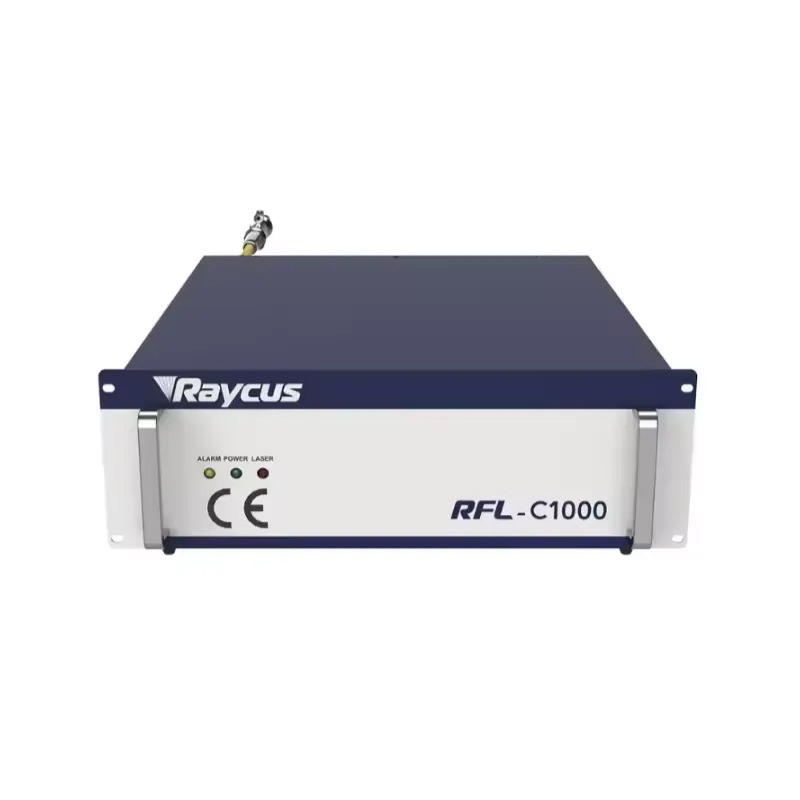
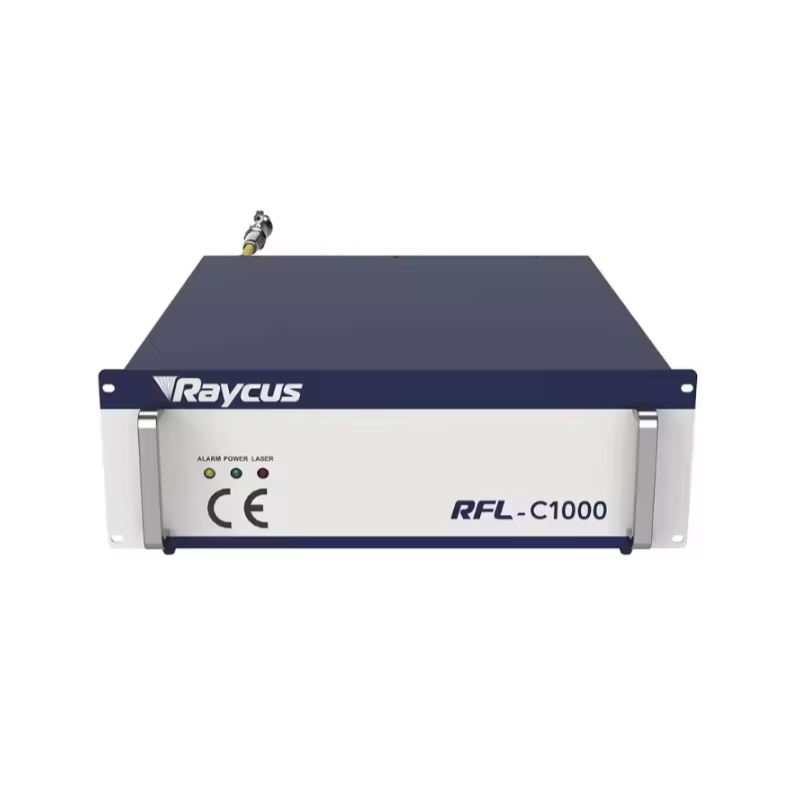
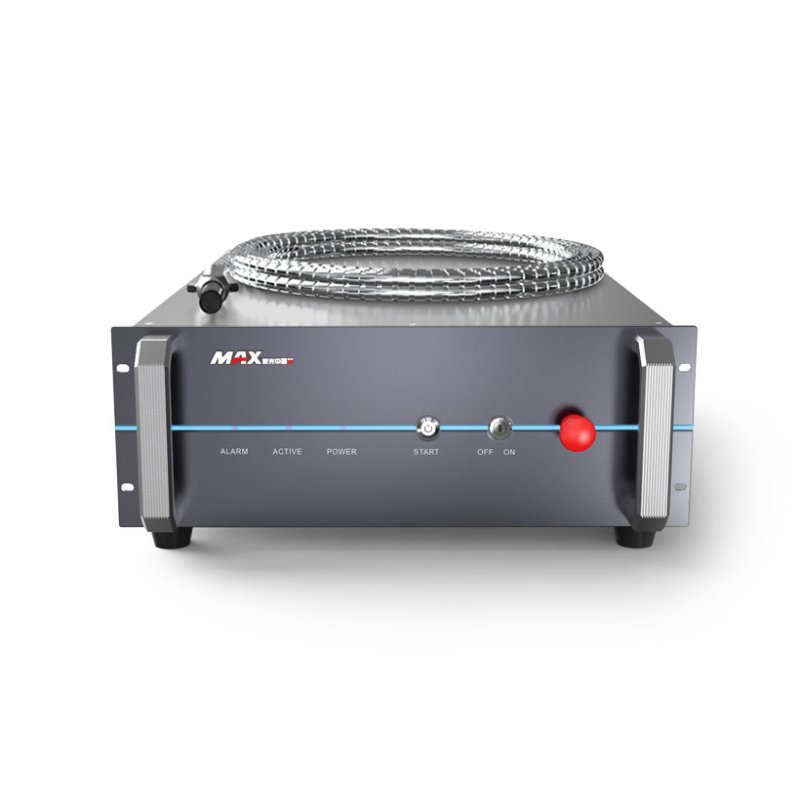
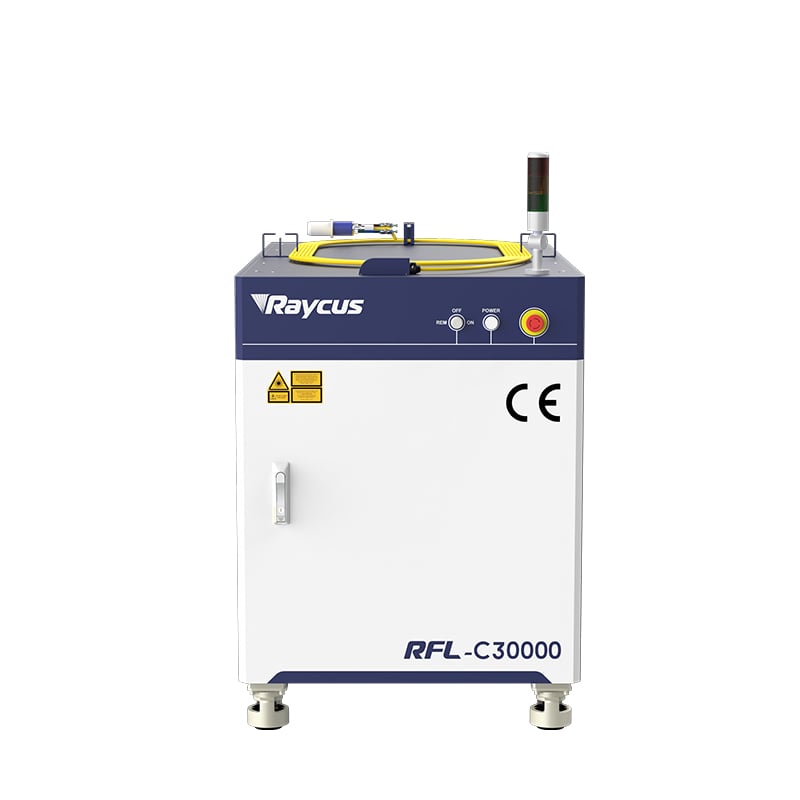
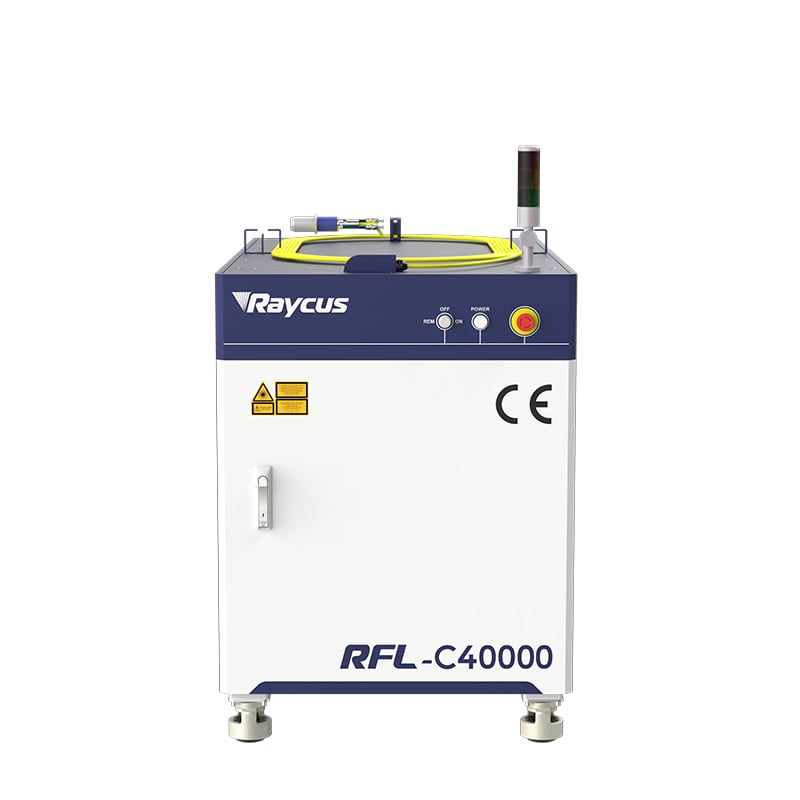
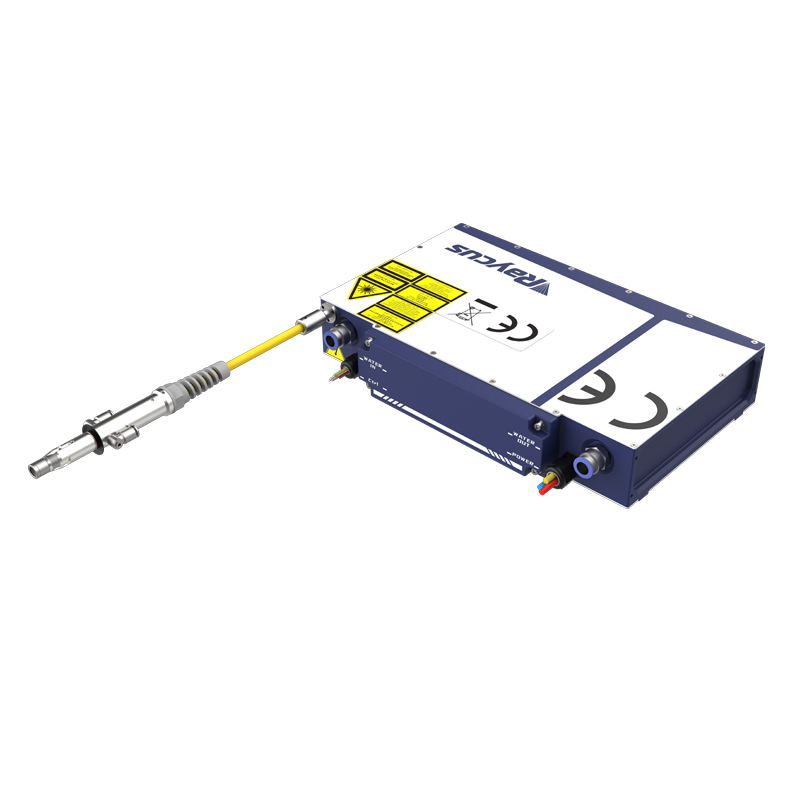
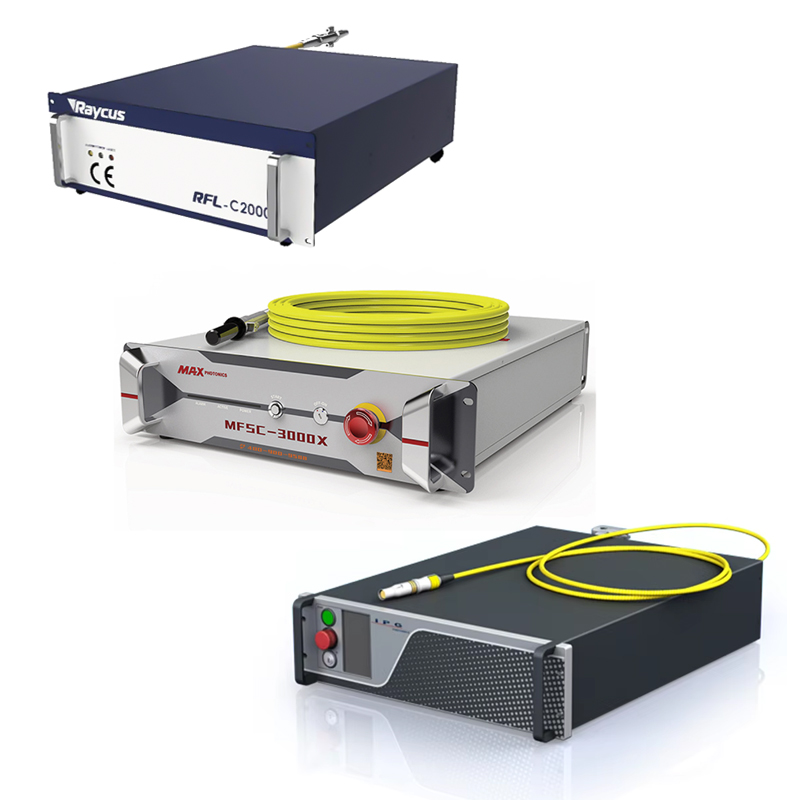
The Raycus RFL-C1000S-CE and MAX MFSC-1000X are listed at 1000W for cutting and welding. Their records should be read as model-specific data, not as a claim that every source in the range has the same features. The Raycus record lists a center wavelength of 1080 ± 5 nm. The MAX record lists 1080 ± 10 nm and CW or modulated operation. For each fiber laser source 1000w, ask for the current data sheet for the exact unit under review.
Look beyond a single number. The light path, head and control system must suit the source and the task. Ask the machine maker to review the complete set of limits for the intended process. If you are considering a CNC lens or other optics, confirm that each part fits the head and is rated for the source and use. A part name alone is not proof of fit.
Plan the fiber laser source 1000w installation
Both listed 1000W models use water cooling. The MAX record specifies a single-phase 220 VAC supply, while the supply needs of the Raycus unit should be confirmed from its current documents. Before buying a fiber laser source 1000w, check the available power, cooling system and space. Note where the source will sit and how the fiber will reach the head. Allow room for the routes and access that the equipment maker requires.
Ask a qualified team to review the site plan and the maker's safety guidance. Laser systems need suitable guarding, interlocks and safe work procedures. Never rely on a product page as an installation guide. The machine maker should confirm how the new source will be tied into the controls and safety chain before any work begins.
Set a fiber laser source 1000w care plan
Records for each fiber laser source 1000w help a team act when a machine stops or when a part is due for review. Keep the source model, serial details, manuals and agreed service contacts in one place. Follow the maker's schedule for the cooling system and inspect only as the manual permits. If a fault appears, note the message and the conditions at the time. Isolate the machine and seek qualified help rather than opening the source yourself.
When you review fiber laser parts compatible with an existing machine, give the full model and part details. A fiber laser consumables catalog may help you name a component, but it cannot confirm fit on its own. Keep the old part and its data where safe to do so. This gives the service team a clear point of reference without making assumptions about the cause of a fault.
Bring the teams together
The buyer, operator and machine team may each hold part of the answer. Agree on the job, the known machine details and the points that still need review. A simple drawing can be more useful than a generic request when the route or space is unclear. Mark any item that needs a maker's reply and keep that reply with the order record.
Need a source for a new system or a replacement? Send the process details and the model under review. If the request is for a handheld laser welder for sale, say whether you need a full machine or only a source. That distinction helps keep the scope clear when discussing the next step.