Fiber Laser Source Price and Your Work
A fiber source creates the light used by a cutting or welding system. The useful choice depends on the job and on the rest of the machine. Begin by listing the process, the material and its thickness. Note the range of parts you plan to run and the kind of finish you need. For a replacement, record the current source model and the reason it is being changed. This gives the technical team a clear starting point.
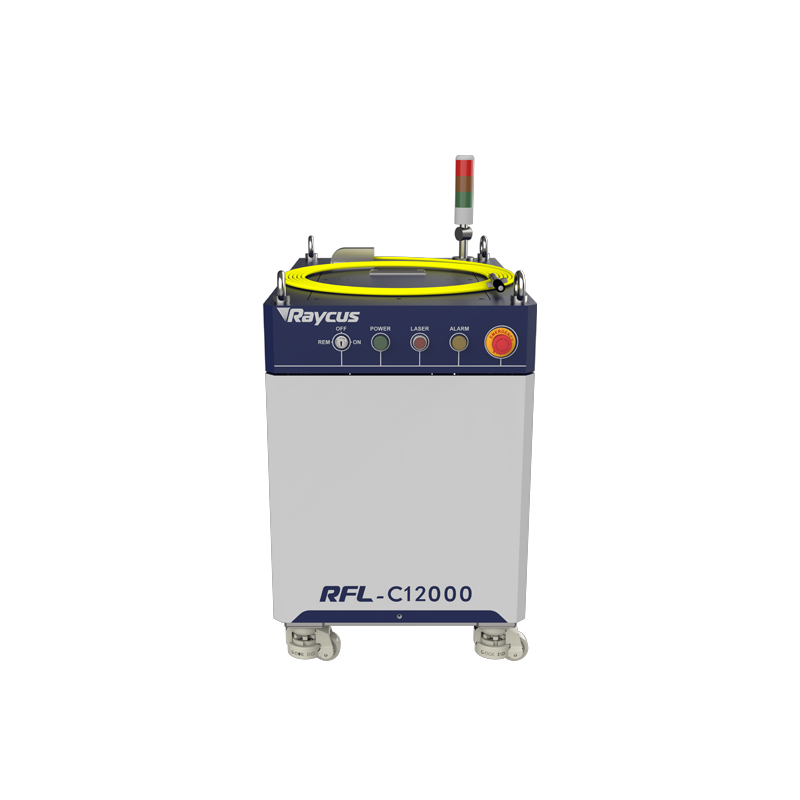
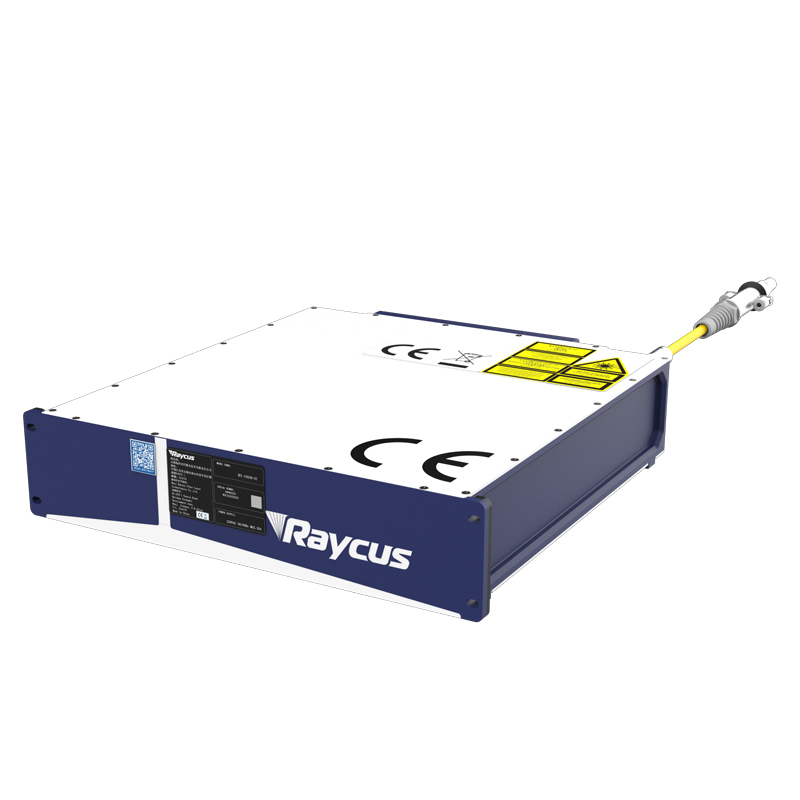
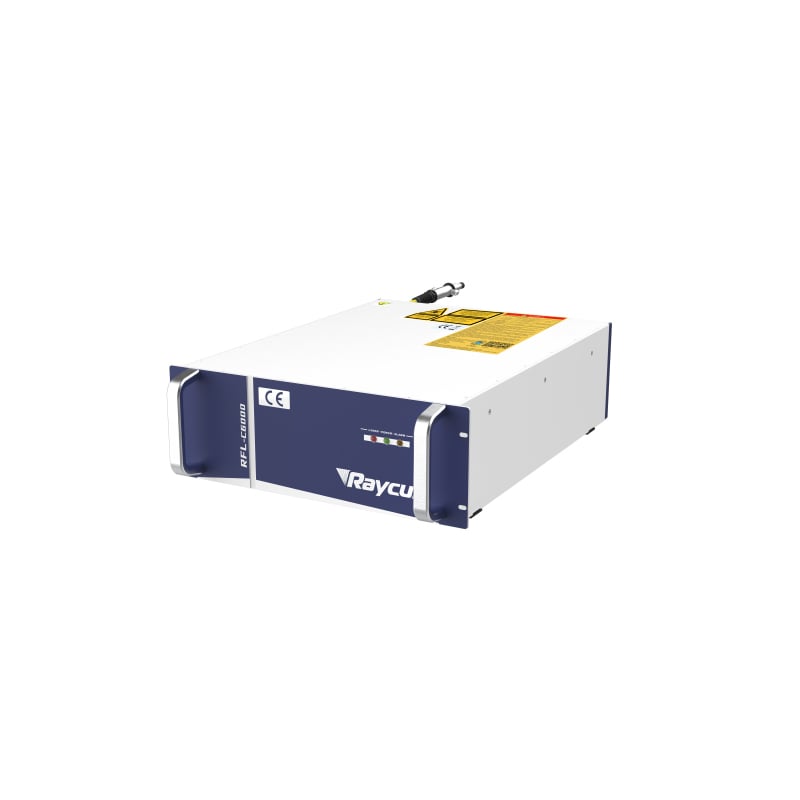
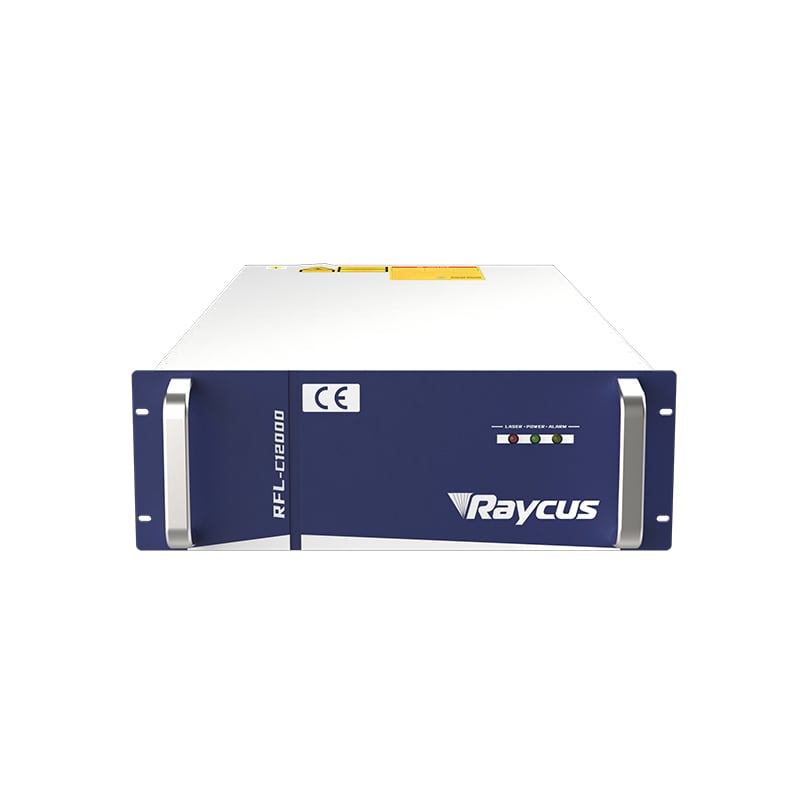
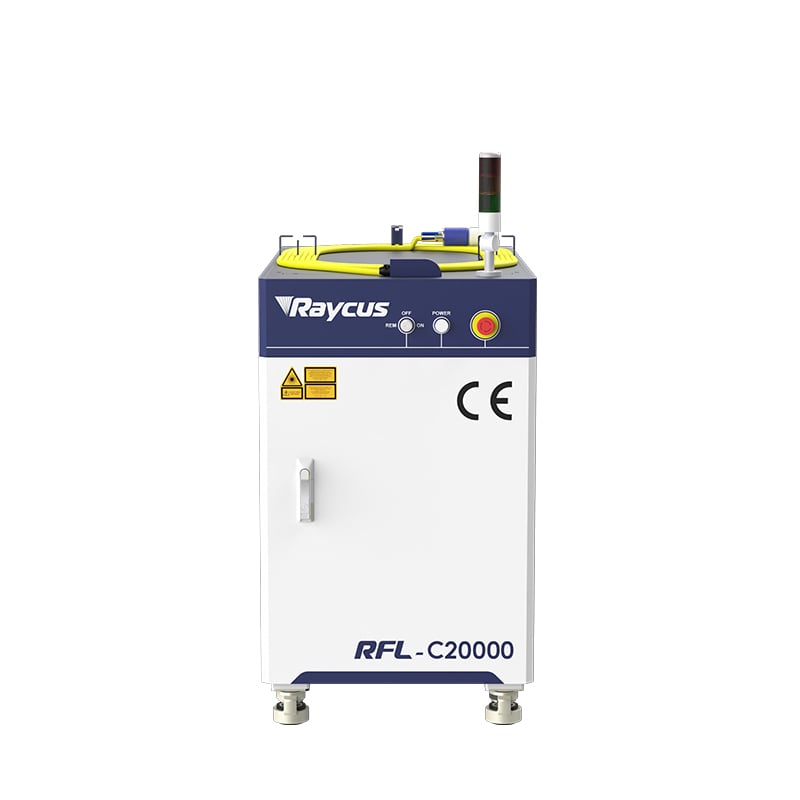
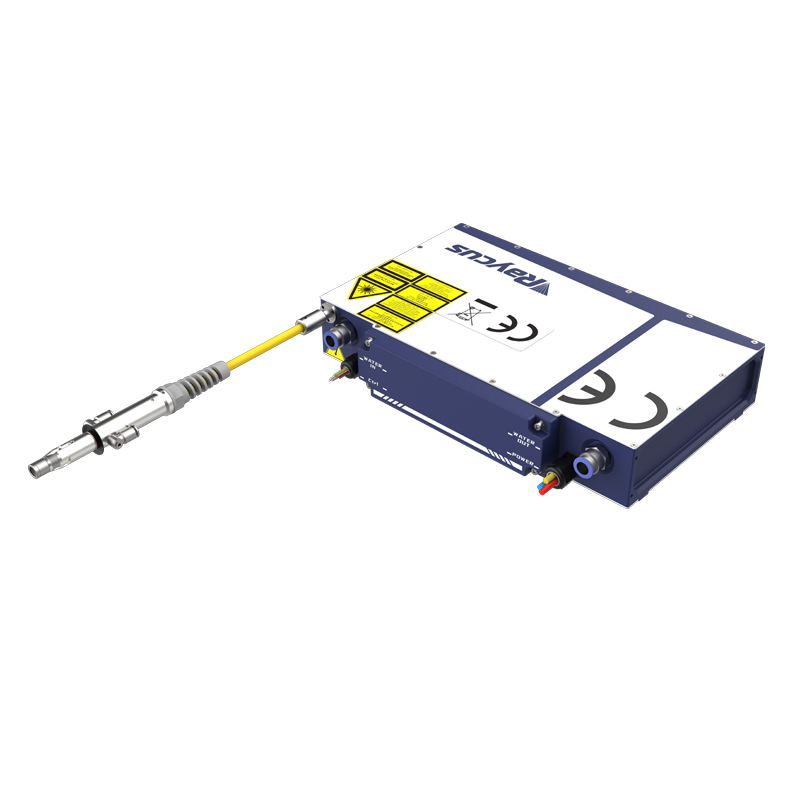
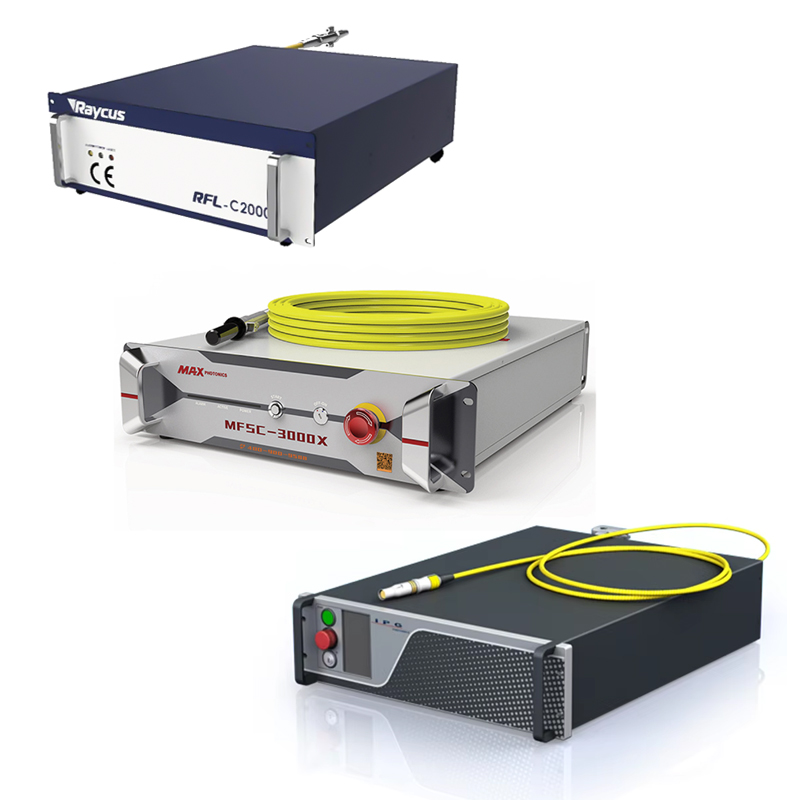
The models shown here span several rated outputs. That range is a way to compare catalog options, not a promise that any one unit will suit a given job. Higher power is not automatically the right answer. The head, optics and machine layout also set limits. Ask the machine maker or a qualified integrator to review the complete setup before a selection is made. Keep a note of the facts you know and mark any missing data for follow up.
Map the source to the machine
For a new project, draw a simple map from the source to the head and the control cabinet. Include the proposed mounting space, the cable path and the place where the fiber connects. If a drawing or machine photo is available, use it to check the layout rather than assume the parts will fit. Leave room for the routes and access that the maker requires. The actual bend limits and clearances should come from the chosen model's documents.
Then review the electrical supply and the control signals. The 2000W listing specifies a 220V AC input. The 6000W listing specifies 380V AC with a three phase, four wire connection. Those figures apply to the named listings, not every source in the range. Confirm the exact model and site supply with a qualified technician. Review the control interface, safety circuit and head rating as a system. Do not treat a shared connector name as proof of full compatibility.
Plan cooling and routine care
The 2000W and 6000W product records list water cooling. The 20000W record also lists water cooling. Before setting a source in place, ask for the cooling requirements for the exact unit and compare them with the chiller on site. Check hose routes, service access and the conditions in the work area. The source and the cooling system should be assessed together rather than priced as unrelated parts.
Use the maker's instructions for inspection and care. Keep service records and note any alarms or changes in the machine's operation. Do not open a laser source or handle exposed optical parts without the required training and safety process. Isolate the system as directed by the equipment maker before service. If a fault is unclear, provide the model, alarm details and service history to a qualified service team. This is a safer basis for a repair discussion than guessing at a cause.
Compare Fiber Laser Source Price and Quote Scope
When comparing a fiber laser source price, ask what each quote covers. A source unit may be only one part of a project. The scope may also depend on the fiber, controls, cooling, installation and freight. Ask for each item to be listed separately where possible. The fiber laser source price should be reviewed in the context of that full scope. This makes a lower initial figure easier to assess and helps the team see what remains outside the offer.
Keep both the buying and technical teams involved. One team may focus on the order terms, while another checks the head and site layout. Agree on the same model and configuration before the quotes are compared. Ask which details remain subject to confirmation, and keep those notes with the offer. When reviewing a source, it helps to balance detail and ordering speed: a short list of known facts and open questions is more useful than an assumed match.