Match a Fibre Laser Source to the Job
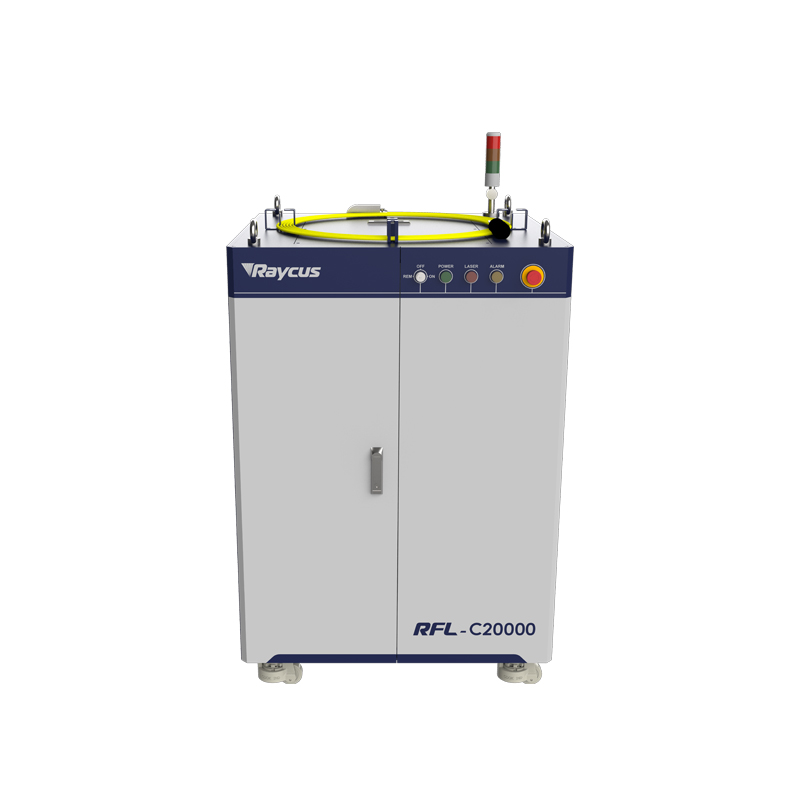
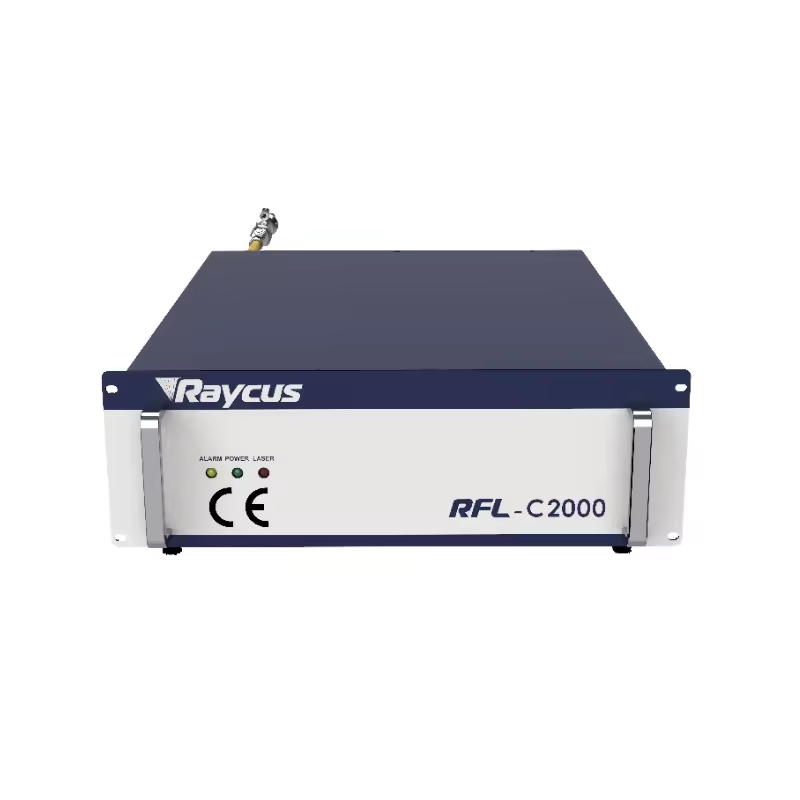
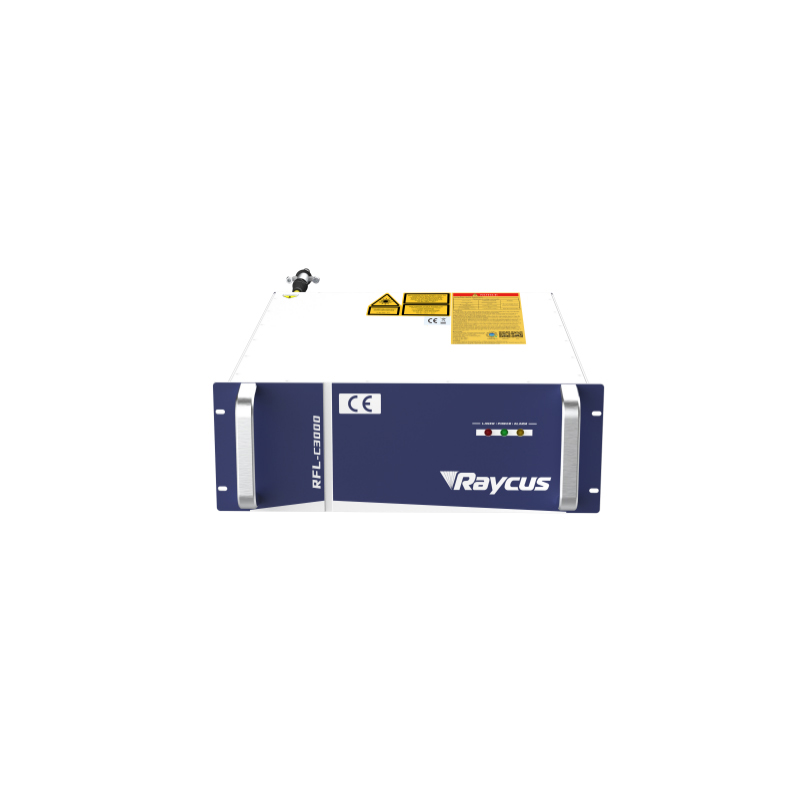
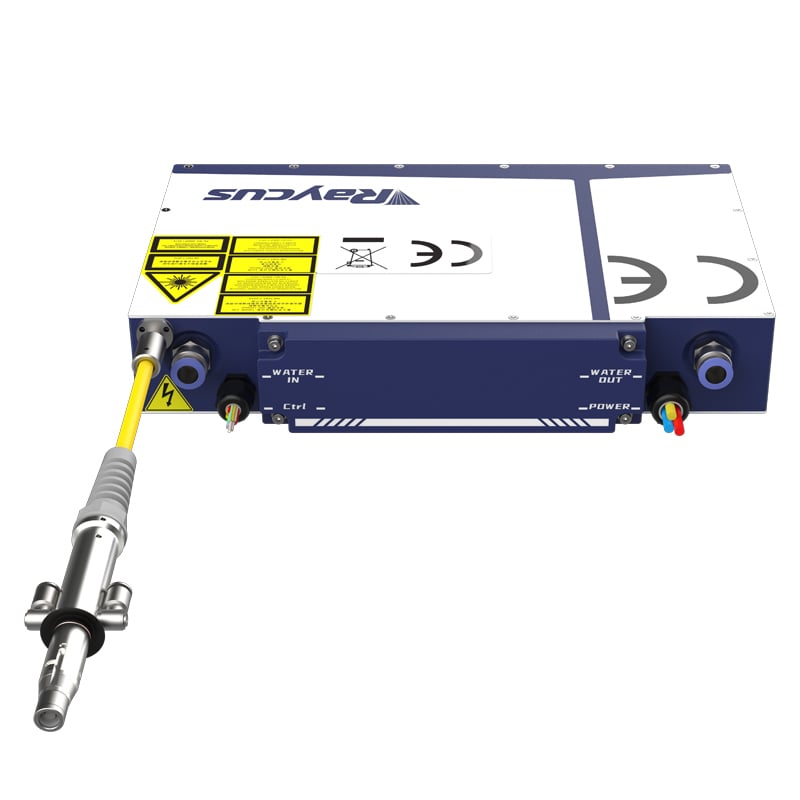
A fibre laser source is one part of a larger system. Start by stating whether the fibre laser source is for cutting or welding, and whether the request is for a new build or a replacement. List the machine make and model, the material and the work you expect it to do. This gives the buyer and the technical team a shared basis for review.
Separate the need for rated power from the need for a good system fit. More power is not, by itself, a guarantee that a source will suit a given task. Ask for the current fibre laser source data sheet and compare its rating with the limits of the machine and its other parts. If the final application is not yet fixed, note the range of work under review rather than treating a generic size as final.
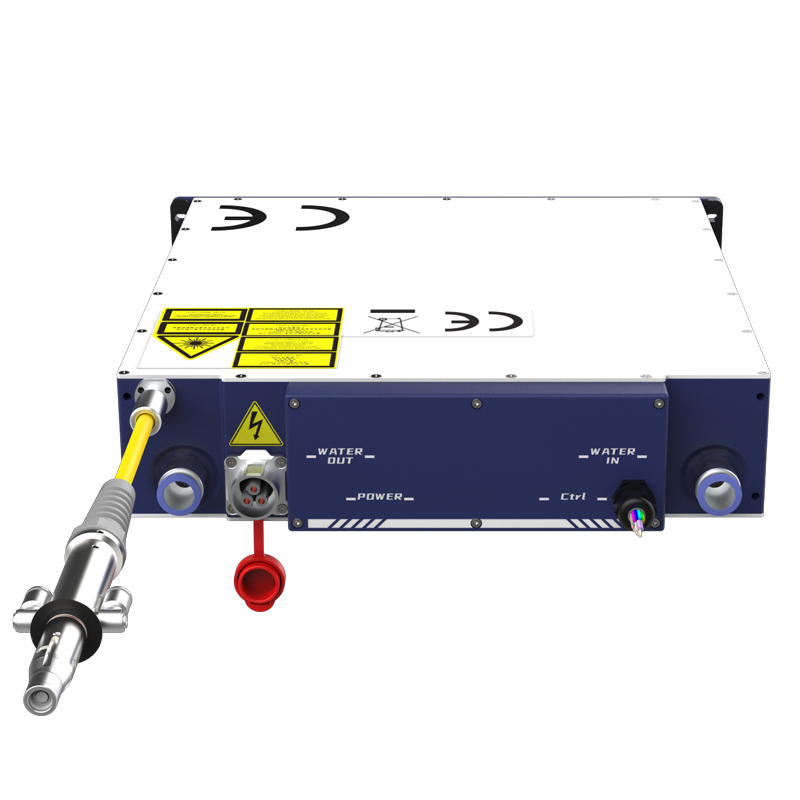
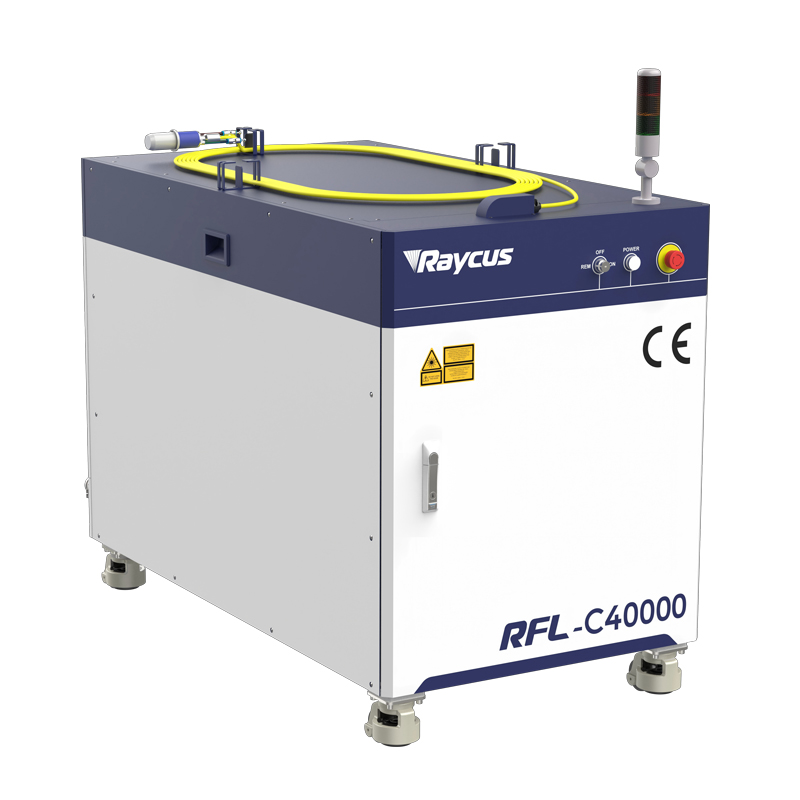
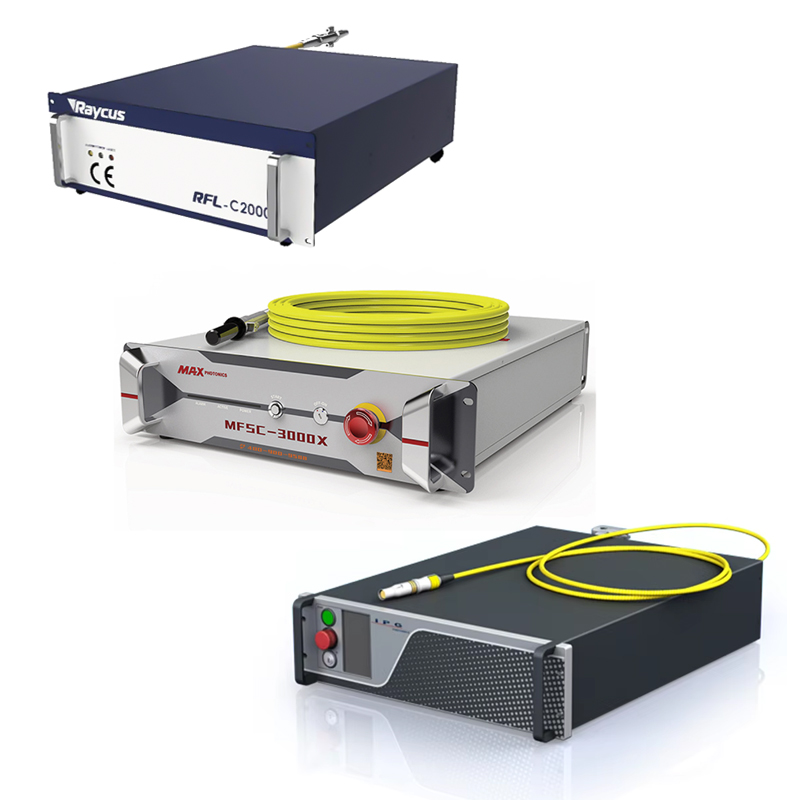
When replacing a unit, record the full nameplate details before selecting a fibre laser source. A model name in a photo can be incomplete, and similar names need not mean the same setup. Keep the old documents with the request, but ask for confirmation if the labels and records differ. A clear record helps all parties discuss the same item.
Plan Fibre Laser Source Installation
Before installing a fibre laser source, review the space around the proposed unit. Note where the machine sits, how cables and the delivery fibre must be routed, and how staff will reach the unit for service. Leave the final layout to the machine maker or a qualified installer. The goal is not just to find space for a box; it is to keep the full route and access needs in view.
Compare the site power supply and cooling arrangement with the chosen model's current instructions. Include the control system in the review, since the source must work with the machine as a whole. Do not connect or operate a unit based on a general guide. Use the maker's documents and qualified personnel for electrical work, safety checks and commissioning.
Check who is responsible for the source, the machine controls and the work area. A fibre laser source change may require a review of guards and interlocks as well as the laser head. Confirm the scope before work begins. This is a planning checklist, not a substitute for the safety process set by the equipment maker.
Inspect the Fibre Laser Source System
Good records make later service discussions more useful. Keep the fibre laser source model, machine details, dates and relevant manuals together. During routine fibre laser source checks, note any alerts or changes in operation and share them with a qualified service team. Follow the maker's shutdown and isolation steps before any inspection. Do not open the source or handle optical connections unless authorised and trained to do so.
Review the wider system as well as the source when a fault appears. A cutting head, cooling circuit or control issue may need its own check. For example, fiber laser nozzle parts belong to the head assembly, not to the source itself. A request for laser welding gun repair concerns a different assembly too. Avoid assuming that a source swap will solve a fault until its cause has been assessed.
Keep the work area and external parts in the condition set out in the manual. Use the prescribed checks and service intervals for the actual equipment, not a generic timetable. Record what was observed and what was changed. That history can help the people responsible for the machine decide what to inspect next without guessing from a single symptom.
Prepare a Fibre Laser Source Replacement
Before ordering a fibre laser source, bring the purchasing, technical and service teams together. List what must stay the same and what can change. A new unit may have a different model suffix or require a revised installation plan, so ask the seller and machine maker to review the exact configuration. Do not assume that an equal power rating means a direct swap.
Send the existing fibre laser source model and serial details, machine model, application and any relevant connection documents. State whether you need a source only or also need help reviewing related parts. Ask for the offer to identify what is included, what still needs confirmation and which documents apply. Keep unresolved points in writing so the final decision is based on the complete system rather than a part number alone.