Start With the Job
An optical fiber laser source is one part of a complete machine. Begin optical fiber laser source selection with the work the machine must do, not just the largest number on a product card. List the material, the range of thicknesses and the type of cut or weld. Note whether the work is steady or changes from job to job. For laser cutting small parts, also describe the part size and the edge result the shop needs. The right optical fiber laser source depends on the full process, not on power alone.
Share the present machine model if this is an optical fiber laser source replacement. For a new build, name the planned head and control system if they are known. Separate confirmed facts from points that still need review. A photo of the old nameplate can help the team identify the item, but it does not by itself prove a new unit will work. Ask for a current data sheet and have the machine builder check the proposed match.
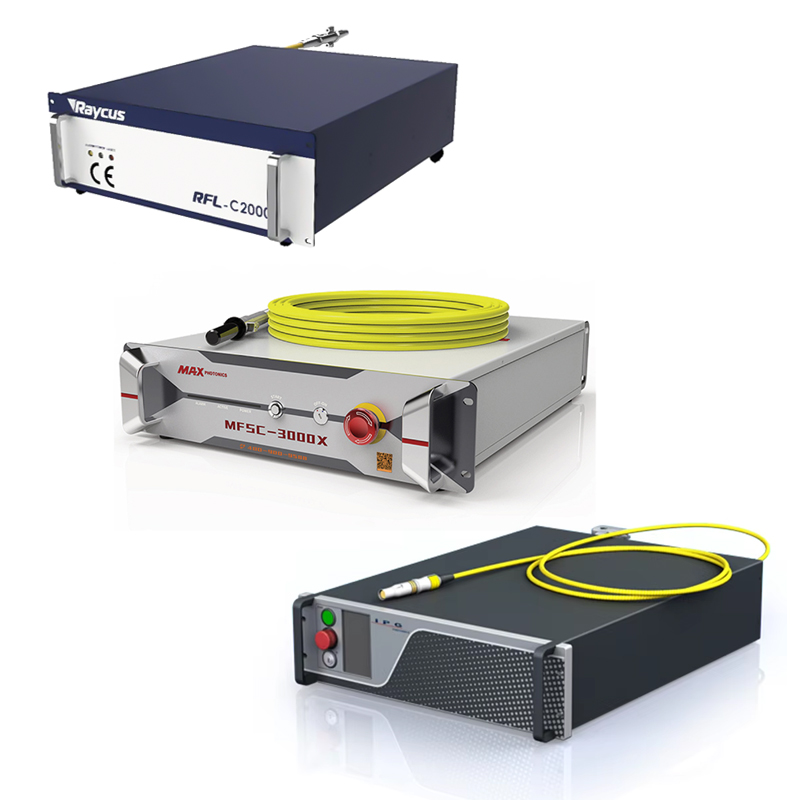
Compare Optical Fiber Laser Source Models
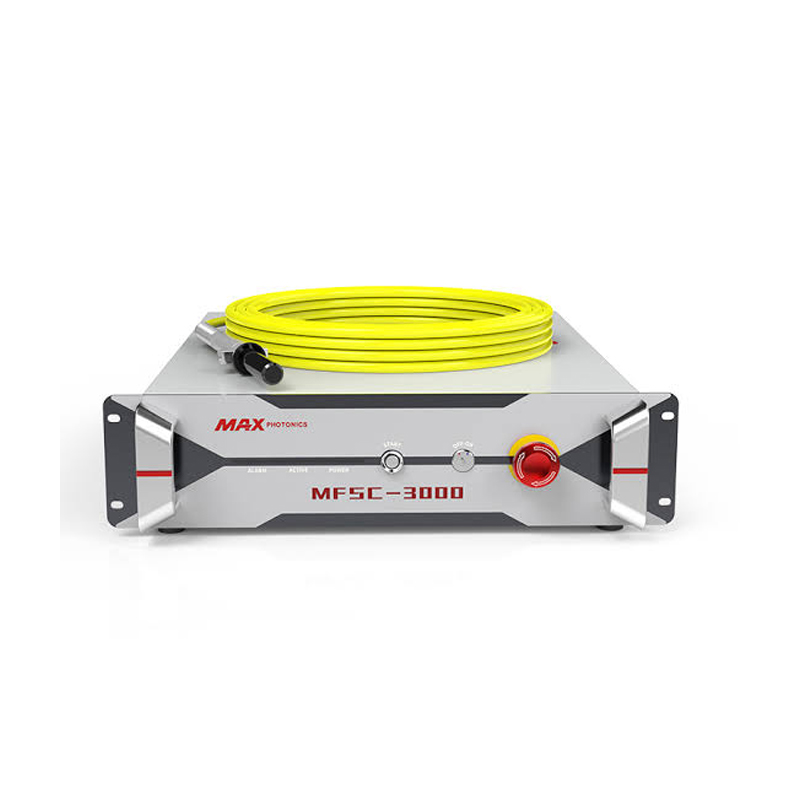
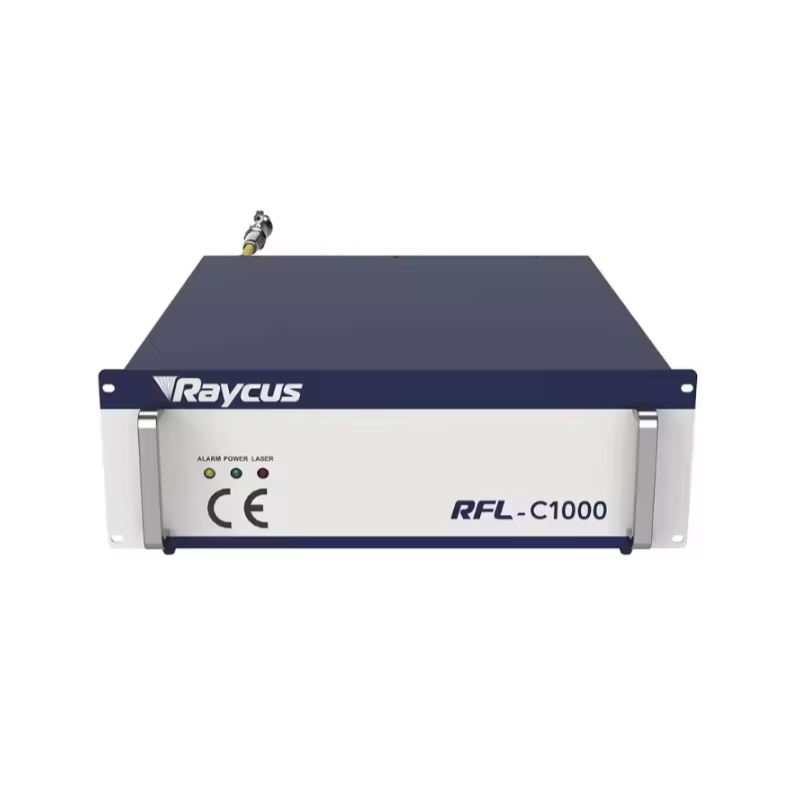
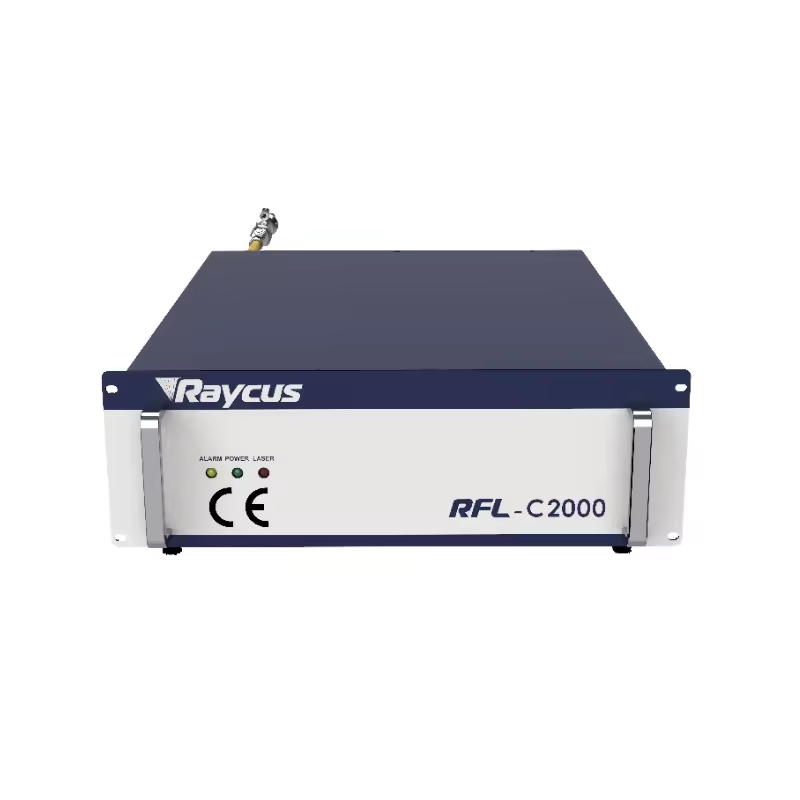
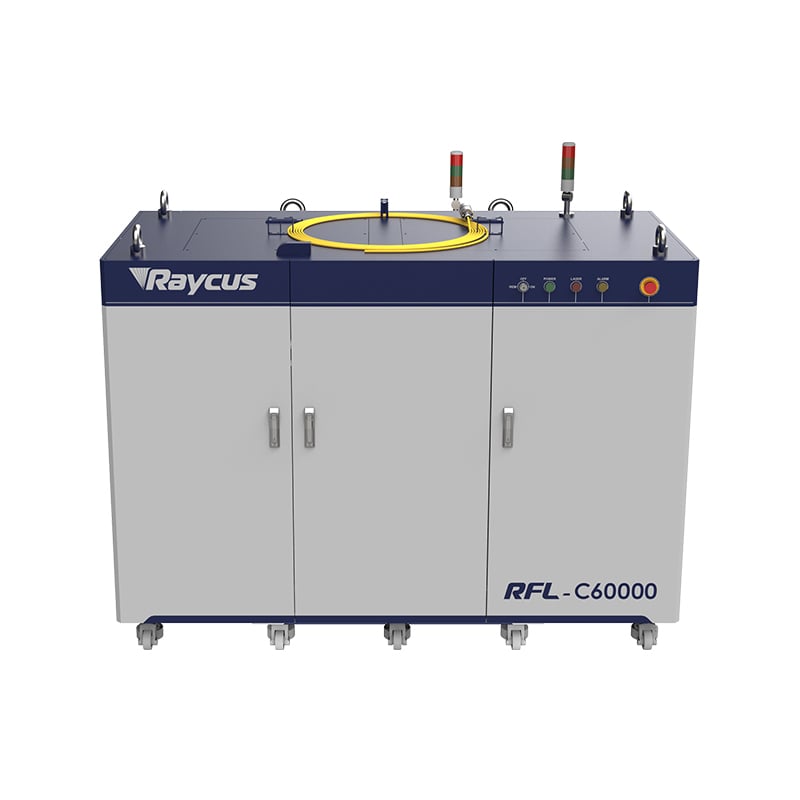
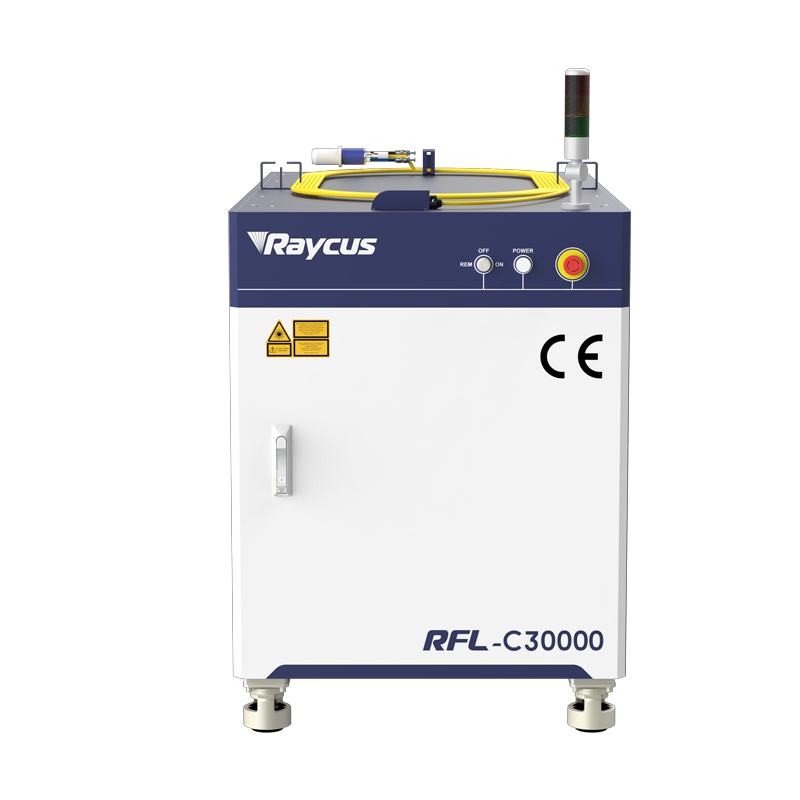
The optical fiber laser source range spans very different power levels. The 1000 W and 60000 W entries are not direct swaps just because both are CW fiber lasers. Each optical fiber laser source job needs its own power and system review. Consider the expected work cycle and how much room the site has for the source and its support gear. A higher rating may call for a different layout and support system. Do not treat a rating as a guide to cut quality without a process review.
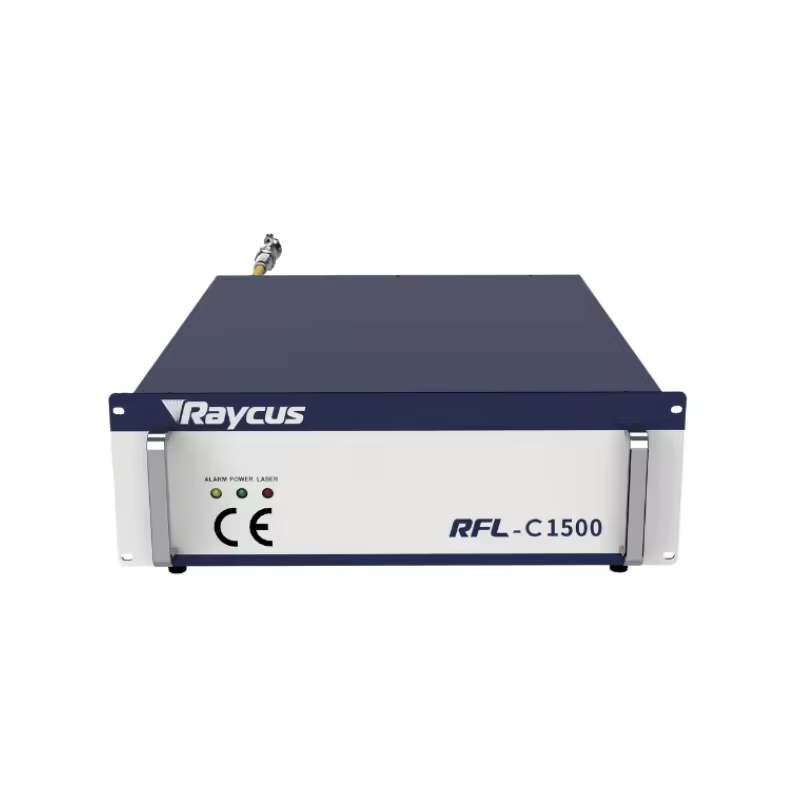
One product record needs special care: the title of the 1500 W entry and its specification text say 1500 W, while its metadata says 2000 W. Keep the full title when asking about this item, and request written confirmation of the model and rated output. This avoids assuming that two entries with a similar model name are the same unit. The current data sheet and quote should resolve the mismatch before an order is placed.
Plan Optical Fiber Laser Source Interfaces
For system integration, map the optical fiber laser source to the head, the controls, the power supply and the cooling system. For the optical fiber laser source, ask the machine builder to confirm which signals are needed for enable, status and control. Check the site supply against the exact unit rather than assuming that all models share one input. The listed 1000 W, 1500 W, 2000 W and 60000 W entries specify water cooling, but the chiller needs must be confirmed for the chosen unit.
Plan space for the optical fiber laser source and for access during service. Review the path of the fiber and cables with the installer. Keep the route clear of moving parts and avoid a tight bend; use the source maker's instructions for the actual bend limit. A drawing or machine photo can support this review. If the layout changes, revisit the route rather than relying on the first plan. The goal is a clear set of interfaces that each team can check.
Prepare for Safe Use and Service
Follow the machine and optical fiber laser source makers' safety instructions for installation, use and service. A fiber laser can be hazardous to eyes and skin, so the full system needs suitable guards, interlocks and trained staff. Do not look into a fiber end or open a beam path. Only qualified staff should handle optical connections or carry out service. Isolate energy and follow the site procedure before work begins.
Keep the optical fiber laser source model details, manuals and any service notes with the machine. Inspect the system as directed by its maker, and record faults rather than guessing at their cause. If an optical fiber laser source stops working, the source, controls, cooling and head may all need review. Ask a qualified service team to diagnose the system before ordering a part. For a process such as laser corrosion removal, confirm the source and full machine are intended for that task; these cutting and welding listings alone do not establish suitability.