Start with the job and source rating
An optical laser source price is useful only when the quoted unit fits the work. Start with the process: is the machine used for welding or cutting? Note the material, its thickness and the desired result. Give the supplier the machine make and model, plus the current source model if this is a replacement. An optical laser source price based on a bare power number does not define the whole system. The head, controls, cooling and space around the unit also shape the choice.
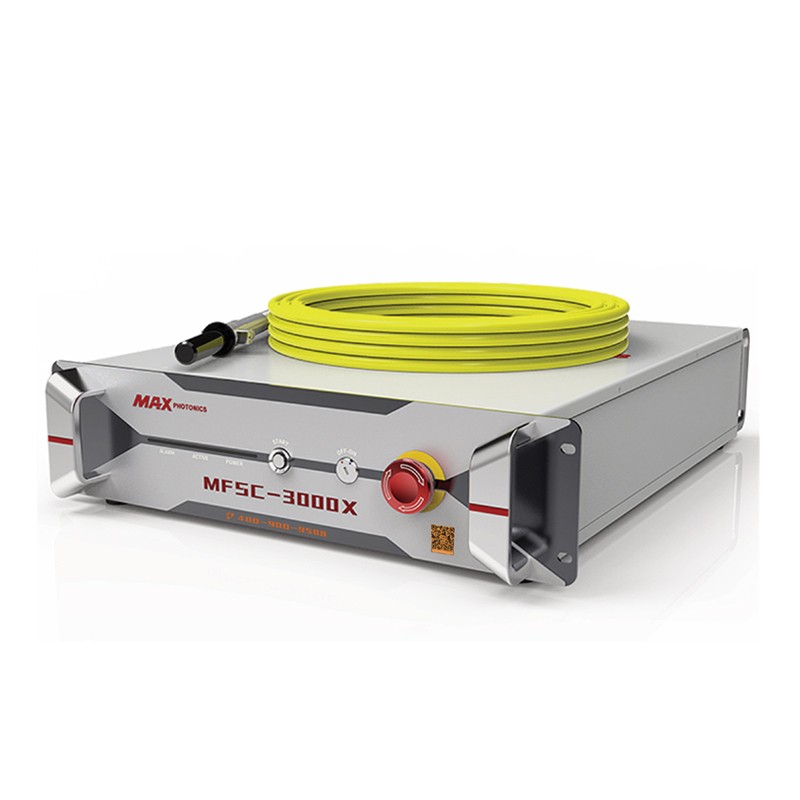
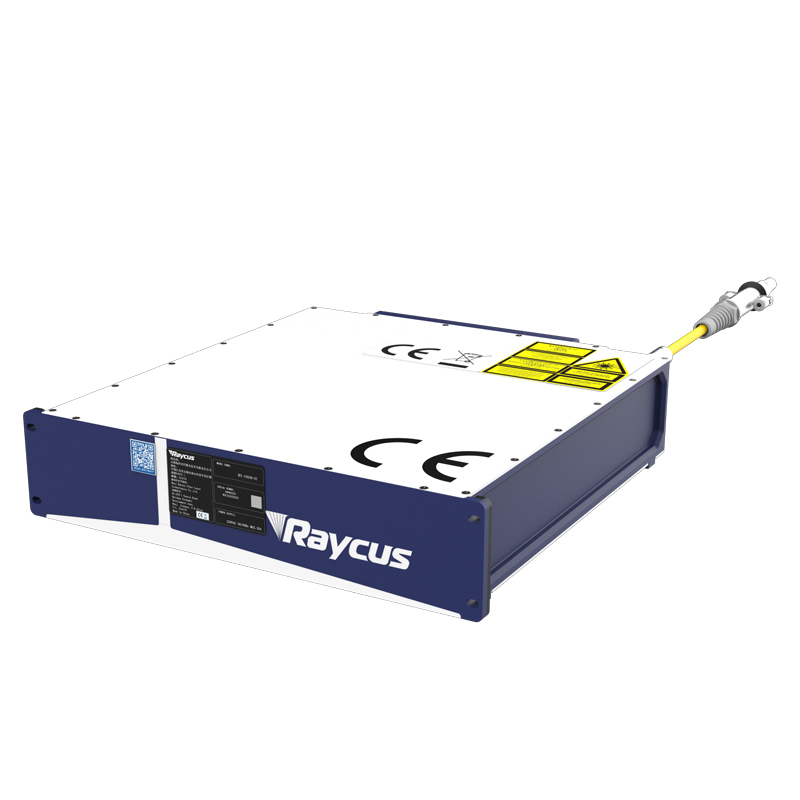
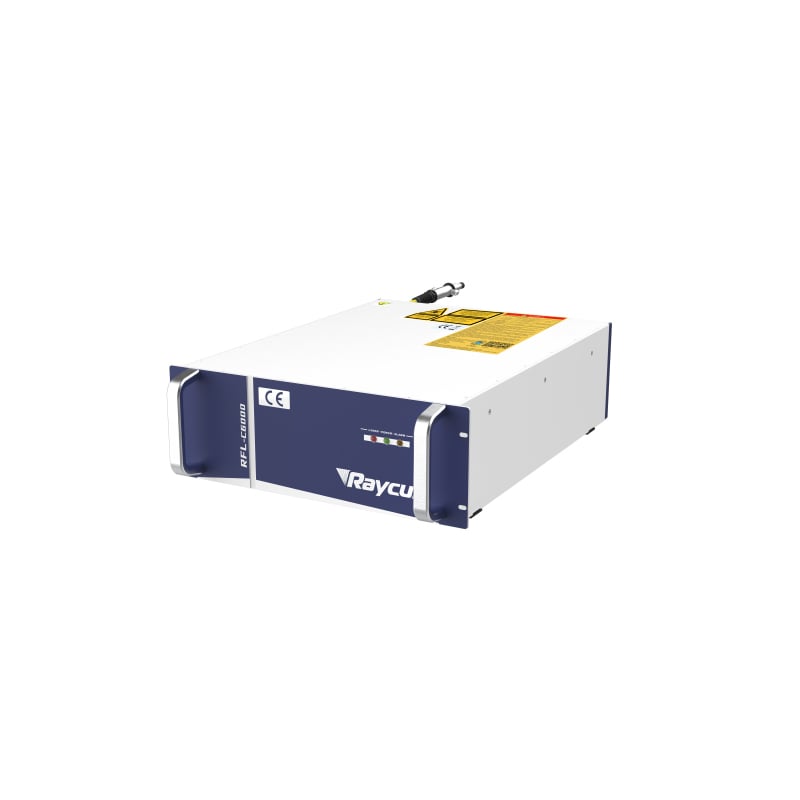
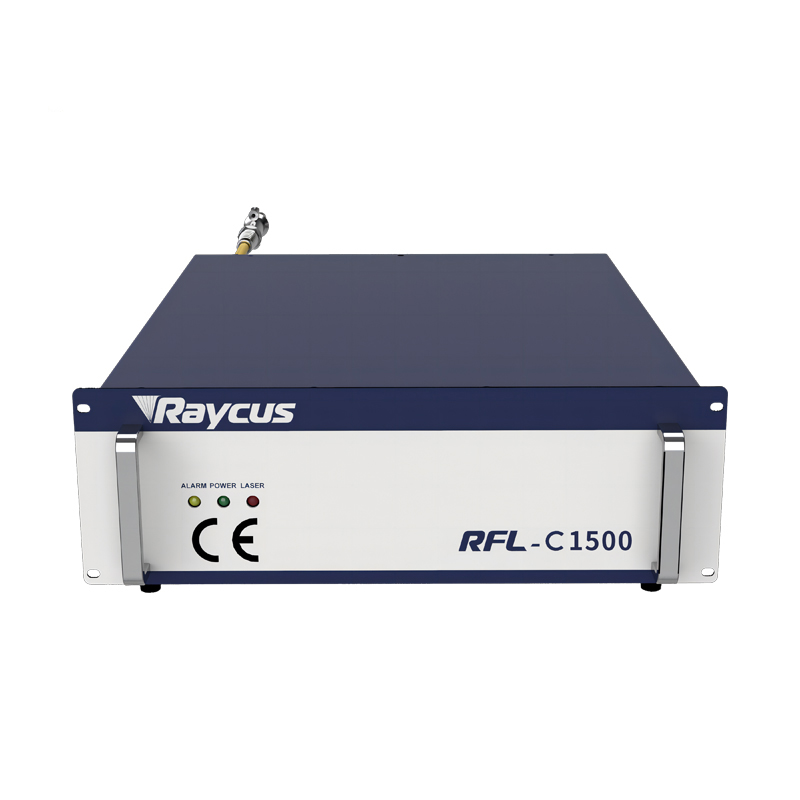
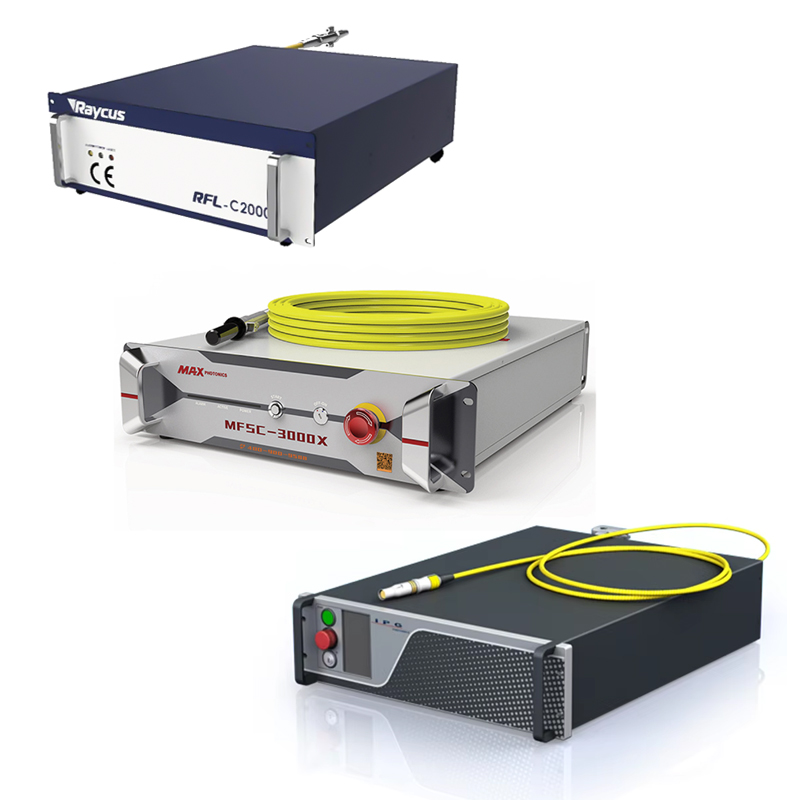
The listed Raycus models span 1200W, 1500W, 2000W and 6000W. The first three product records describe handheld welding units; the 6000W record also lists cutting and welding uses. These are starting points, not a claim that each source fits any machine. Compare the same job and scope when you ask for a quote. Have your technical team check the source data sheet before purchase, especially if the proposed rating differs from the old unit.
Think about the duty of the machine as well as its output. A source for an occasional task may be judged against a different set of needs than one used for long shifts. Share the cycle you expect and ask which limits apply to the proposed configuration. Record any open questions rather than treating a listed rating as proof of fit.
Check the machine interfaces
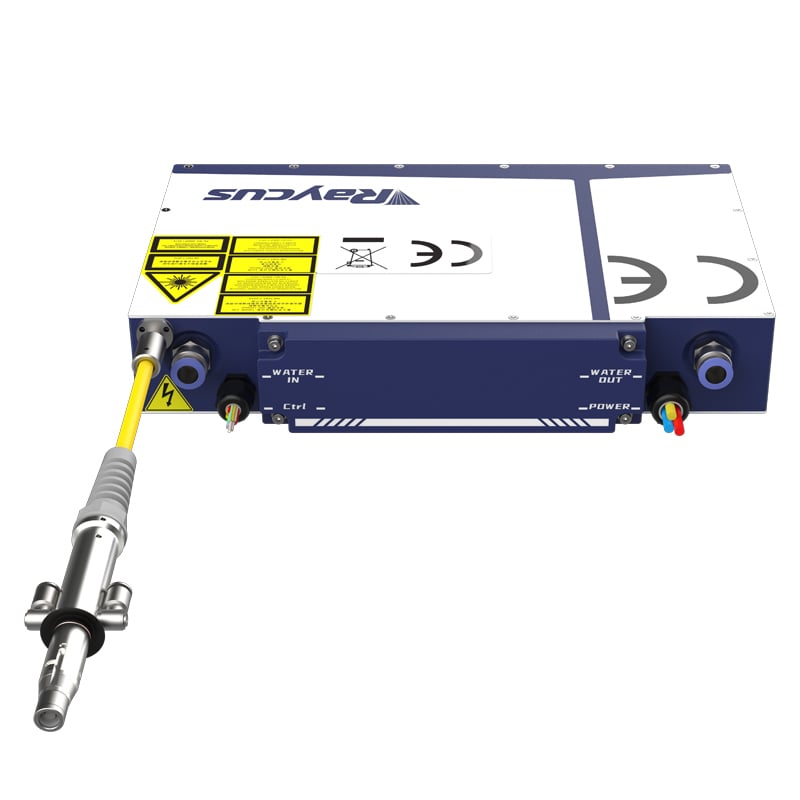
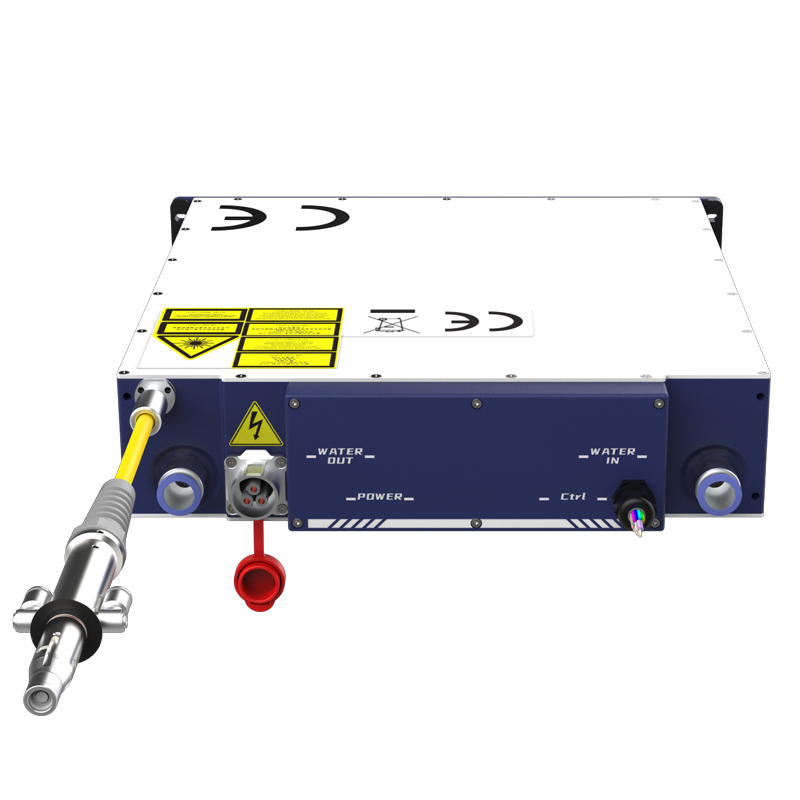
That said, the next question is how the source joins the rest of the machine. Check the optical connector, control signals and power supply against the exact source record. The 1200W, 1500W and 2000W records list an IQB output; the 6000W record lists QBH as a customizable output. The interfaces differ, so do not assume the head connection will match. Ask for the final data sheet and have an integrator confirm the whole optical path.
If a fiber laser controller fscut is already fitted, provide its exact model and control details for review. A search for a fiber laser head for hans is also a reason to supply the machine and head name, not proof of fit. Check the signal plan, interlocks and connector drawings with qualified staff. Never connect or alter a source based on a similar product name alone. Include photos of labels and connectors in the inquiry when they are safe to obtain.
Also check the route for the output fiber. Look at the path from the source to the head and where the machine moves. The source record may list a fiber length, but the right route depends on the actual layout. Ask the maker or integrator to confirm routing and handling limits. Note any guards or covers that need to remain in place after the work is complete.
Plan space, cooling and service access
From a maintenance planning perspective, start with access. Can a trained person reach the unit, see its labels and inspect the connections without moving other parts? The selected records list water cooling, but the cooling setup must be checked for each source and machine. Ask for the model-specific requirements before arranging a chiller or changing the layout. Verify electrical supply details with a qualified technician too; values differ across the listed units.
Keep the source manual and machine procedures available to the people who will service the system. Plan safe isolation and follow the maker's laser safety instructions before any inspection or replacement. Do not open the source housing or handle an optical connector unless the task is assigned to trained personnel. A clean work area and suitable covers help keep exposed components protected during authorized work. The correct methods and intervals must come from the equipment documentation.
Turn uncertainty into a checklist. Mark the items that need a drawing, a label photo or a site review. Share the list with operations, maintenance and purchasing so that the same scope is used for each proposal. This makes it easier to see where extra work may be needed without assuming that an adapter, a chiller or installation is included.
Compare optical laser source price quotes
When comparing optical laser source price quotes, ask what each offer includes. Identify the source model, output configuration, fiber length and any power supply in the proposed package. Ask whether transport, installation, training and support are included or quoted separately. These are questions to confirm, not services or terms we promise for every order. If a replacement needs changes to the machine, ask the integrator to describe those changes and their cost.
Use the same checklist for each optical laser source price offer and note any exclusions. Ask for the validity of the price, payment terms and warranty details in writing. Keep technical approval separate from commercial approval: a low quoted figure is not useful if the unit cannot be integrated safely. Once the fit and scope are clear, send the selected model and project details to request a current quotation.