Start With the Job, Not Just the Rating
When choosing a laser source for optical fiber, begin with the work the machine must do. Is the system meant for cutting, handheld welding or a replacement on an existing line? Write down the task, material and planned use. A laser source for optical fiber chosen for one setup may not suit another, even when the listed power is similar. It is only one part of the system. The head, controls, cooling and safety design also need review.
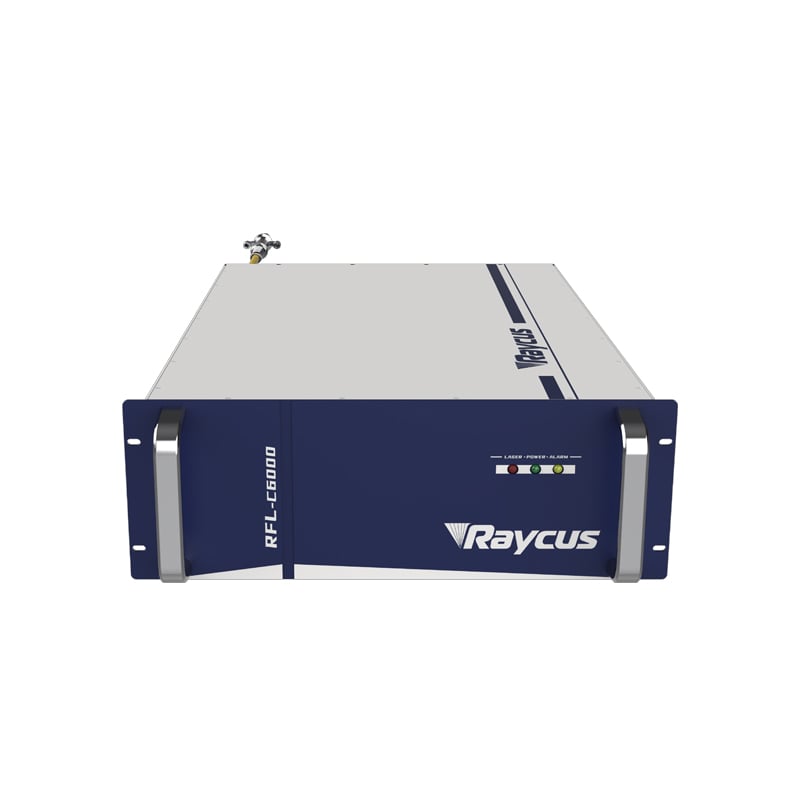
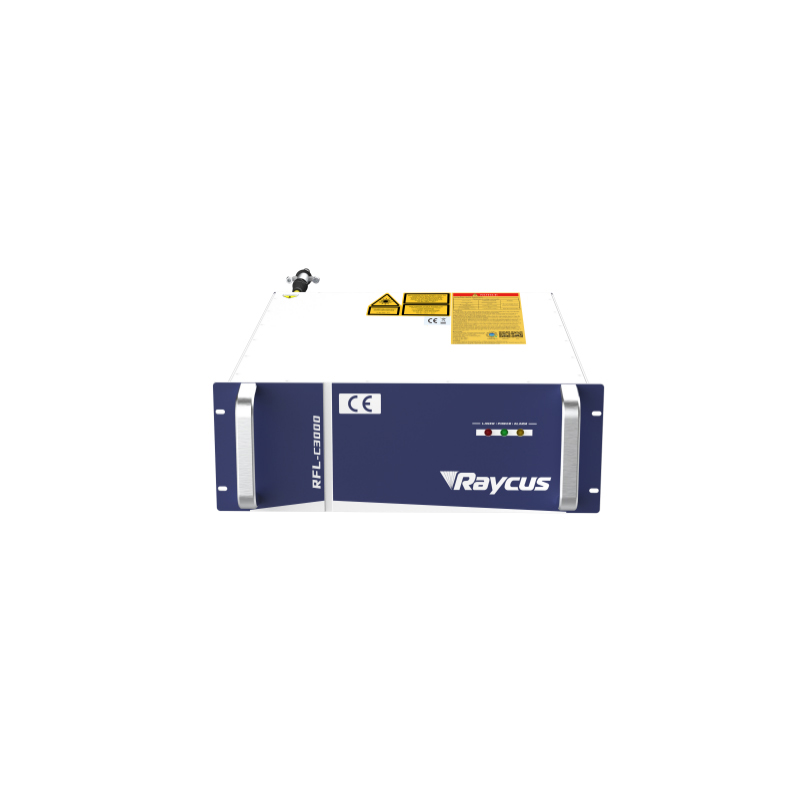
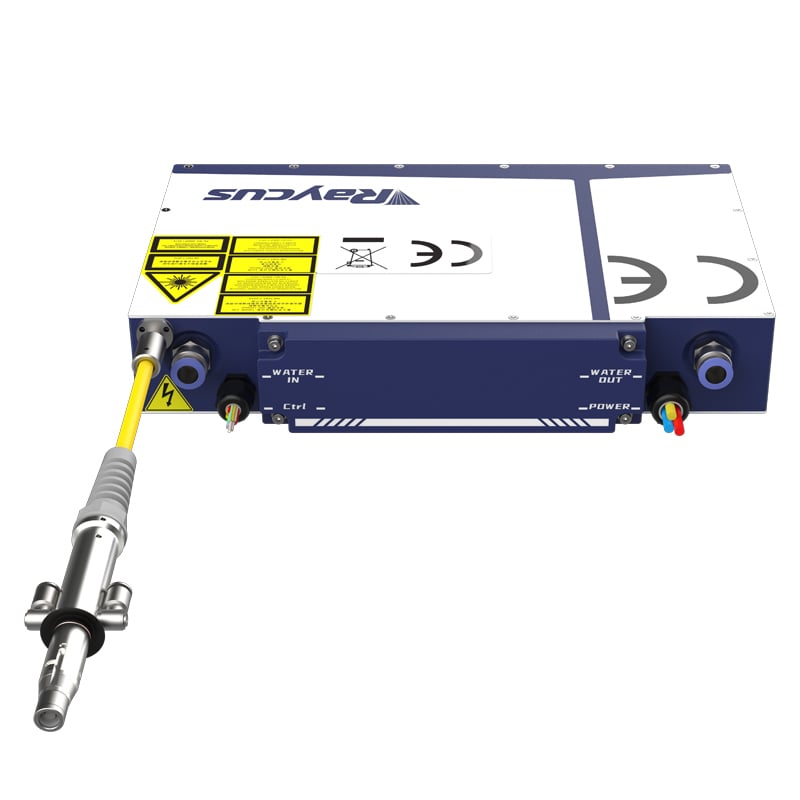
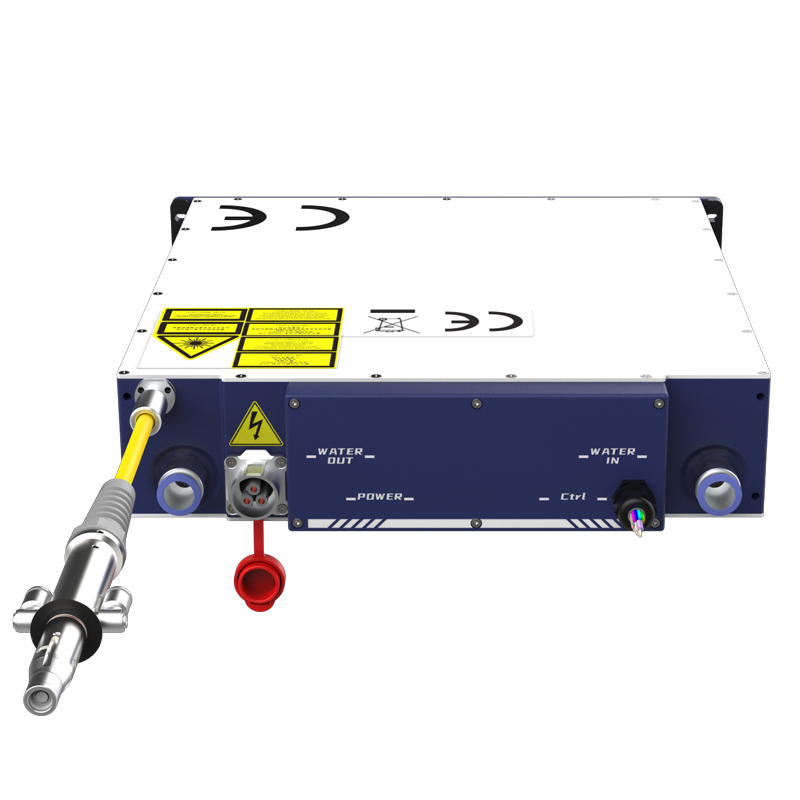
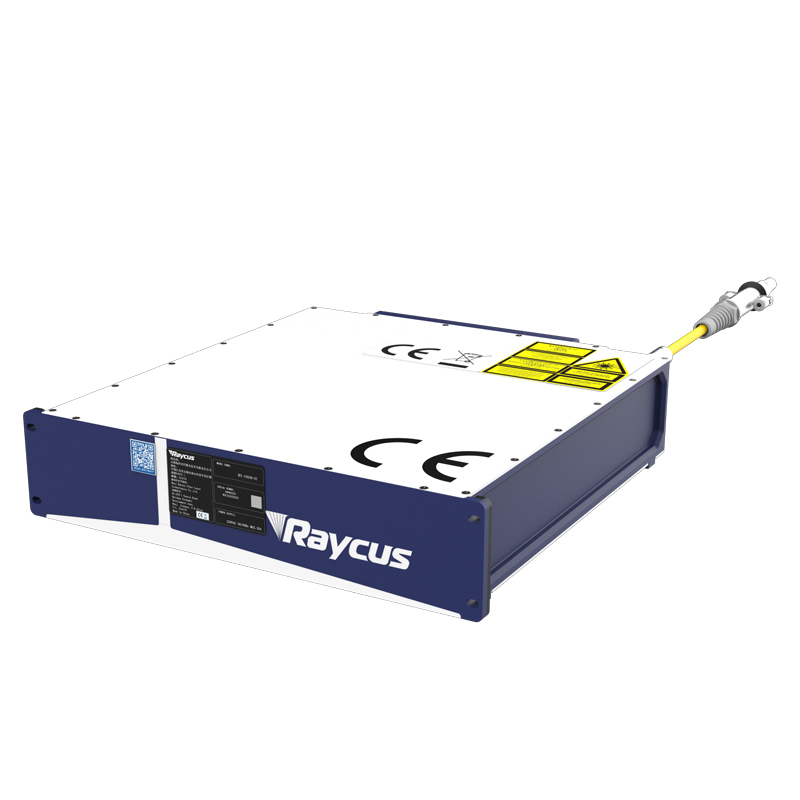
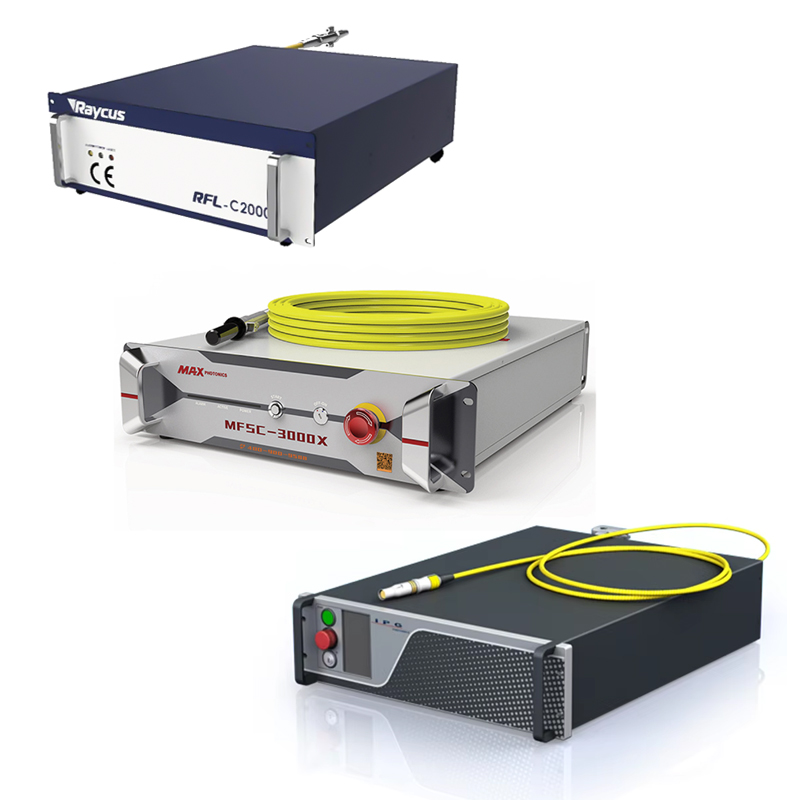
The RFL-C3000S-CE is listed at 3000W for cutting and welding. The RFL-C015H1-CE is listed at 1200W and its product details describe handheld welding. RFL-C020H-CE and RFL-C025H-CE are listed at 1500W and 2000W. Their details include handheld welding and metal cutting. These are catalog descriptions, not a promise of a given cut or weld. Ask for the data sheet for the exact model and check its fit with the planned task.
If the project is a replacement, note what works and what needs to change. Record the current source model and any fault or limit reported by the service team. Compare the original goal with the actual parts around the source. This helps the technical and buying teams discuss the same scope. It also keeps a simple power figure from becoming the only basis for a choice.
Map the Site Before Installation
A laser source for optical fiber needs a suitable place in the wider machine. Before any work begins, have the machine maker or a qualified integrator review the space, electrical supply, control signals and cooling setup. Check the product documents for the exact unit rather than assuming each model has the same needs. For example, the 3000W listing calls for water cooling and states a three phase supply. Confirm the site and source details before planning the work.
Make a simple drawing of the source location and route to the work head. Mark the access points and the path for the fiber without forcing a bend or placing it where it may be damaged. Ask the equipment maker for the allowed routing and handling limits. A drawing question can be more useful than a generic quote when the site has tight space. It can show an issue that a model name alone will not reveal.
Keep installation and changes inside the machine maker's safety process. Isolate power as required and use trained personnel. A fiber laser can be hazardous even when the beam is not visible. Do not open the source or disconnect optical parts based on this page. Follow the applicable manuals and site safety rules, and ask the supplier or integrator to resolve any unknowns before use.
Plan Checks and Service Access
For long term use of a laser source for optical fiber, consider how a technician will reach the unit and inspect the surrounding system. Leave access for the tasks stated in the approved manuals. Record the installed model, source settings and relevant documents where the service team can find them. Agree who will inspect the machine and how any fault will be reported. Do not set a service interval from a general guide; use the model and machine instructions.
A clean, documented work area can make a later review easier. Track changes to the head, controls or cooling system as part of the machine record. If an issue appears, note when it occurs and stop use as required by the site procedure. Ask qualified service staff to assess it. Never look into a fiber end or attempt an optical repair without the right training and safeguards.
Keep Similar Search Terms in Context
Buyers may also search for a c mount laser, but that term alone does not establish the optical format or intended job. Likewise, a search for cloudray jpt fiber laser refers to a different named product context from the Raycus models shown here. Do not assume those terms identify an interchangeable source. Compare the actual model data and the receiving equipment before making a decision.
For laser cutting machine parts export inquiries, list the destination and the parts needed so that the order scope can be reviewed. The laser source for optical fiber, head and other machine parts are separate items unless a quote says otherwise. Ask which documents and shipping terms apply to your request. The details should be confirmed in the offer rather than inferred from a page title.