Laser Cut Ceramic: Define the Request
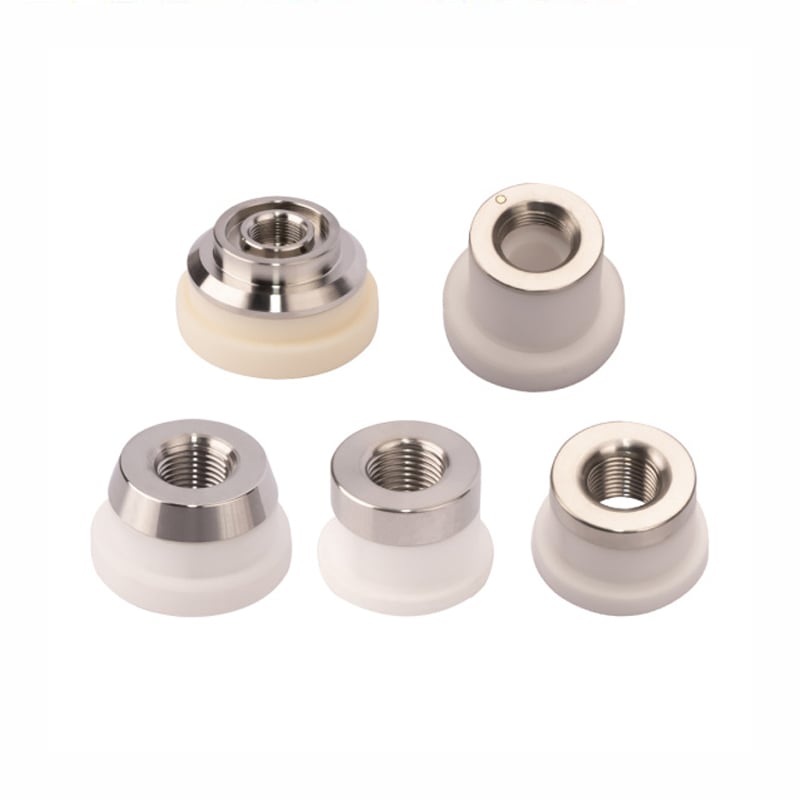
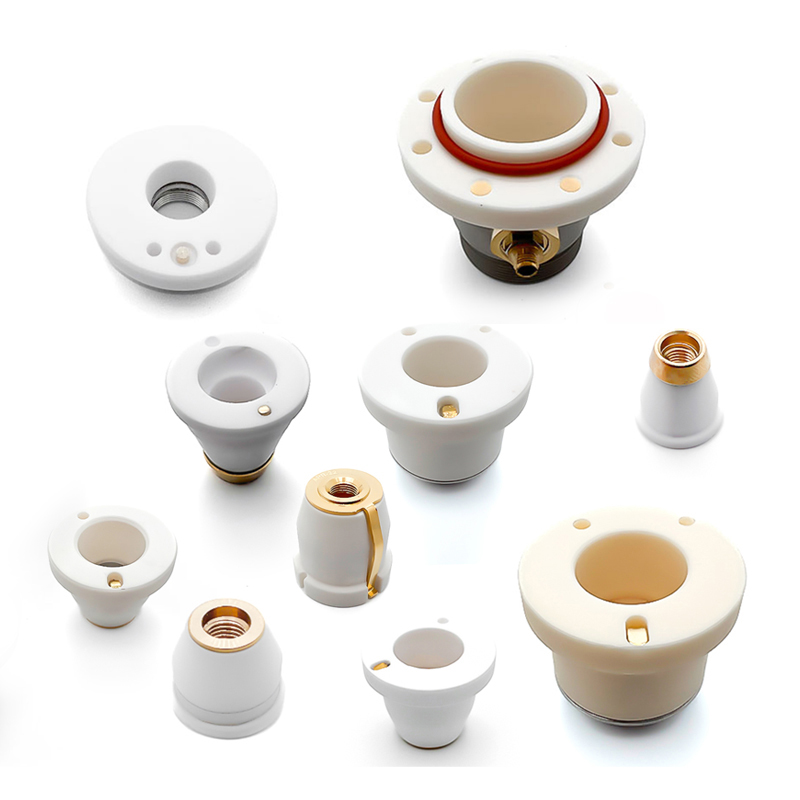
The phrase laser cut ceramic can mean two different things. It may describe cutting a ceramic workpiece with a laser. It may also lead a buyer to ceramic parts used in a laser cutting head. This page deals with the second case. The products shown are nozzle holders, rather than ceramic sheet stock or a contract cutting service. If your laser cut ceramic request is for workpieces, state that need separately. The part list here does not confirm that such a service is available.
For a laser cut ceramic holder search, begin with the make and exact model of the head. Note the machine model as well, since the same machine family may use different heads. Add the part number from the old unit if it can be read. A photo of each side can help show its shape, but a photo alone cannot prove thread size or fit. A clear request lets the technical and purchasing teams discuss the same item.
Laser Cut Ceramic Holder Fit
Match the holder to the head interface before judging it by color or shape. The thread, outside diameter and height all matter when a part has to seat in a fixed space. The number and position of holes can matter too. Measure the old part where safe to do so and note the units used. If the thread pitch is unknown, leave it open for confirmation rather than guessing from the outside diameter.
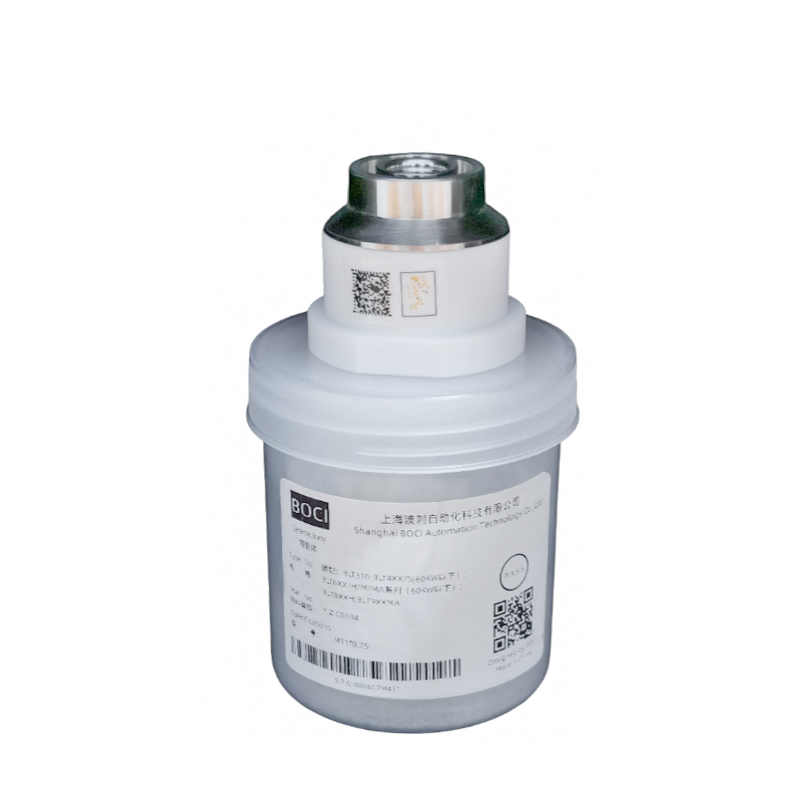
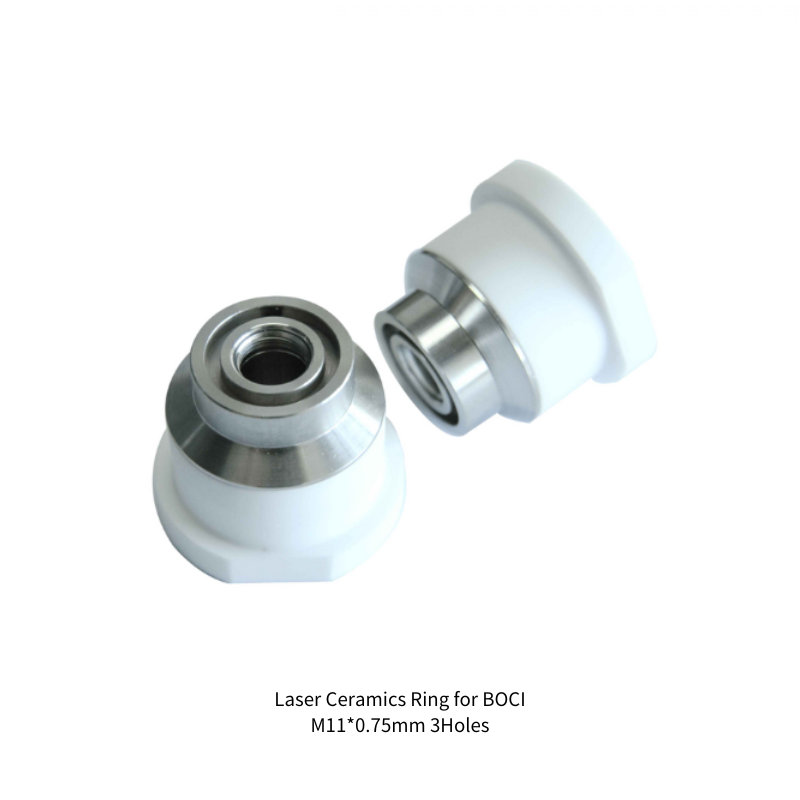
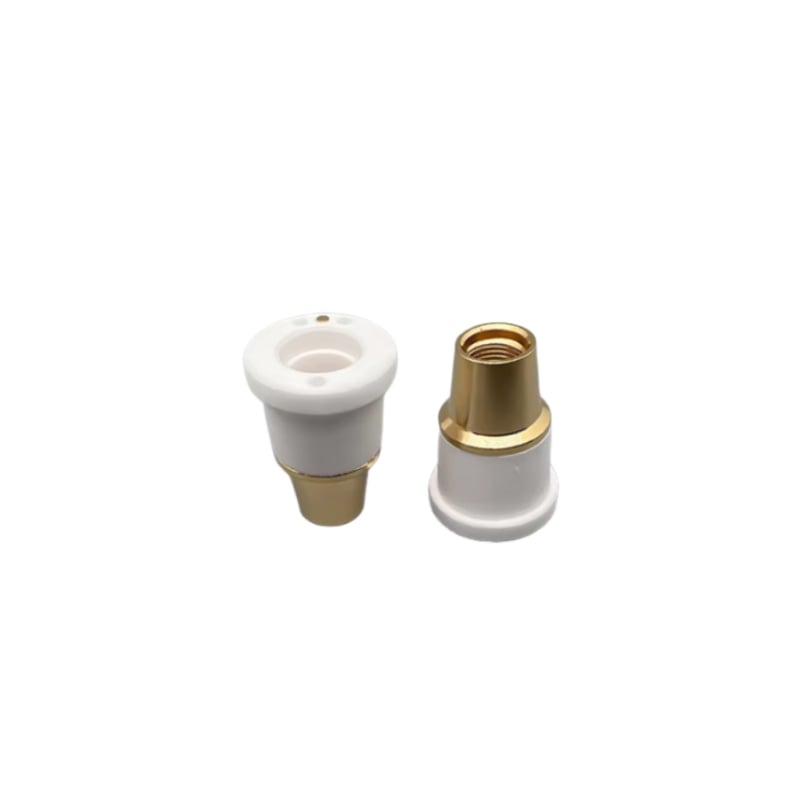
For a laser cut ceramic holder search, the product records provide starting points, not a full fit guarantee. The D41 M11 H34 mm listing describes three and four hole M11 by 0.75 versions for several BLT head series. The D20 H28 mm listing describes M8 by 0.75 versions with one or three holes. It names BLT310T, 42X1T and BLT5X0H heads. Confirm the exact version and hole layout for your own head before you place an order.
Review the Head and Its Connections
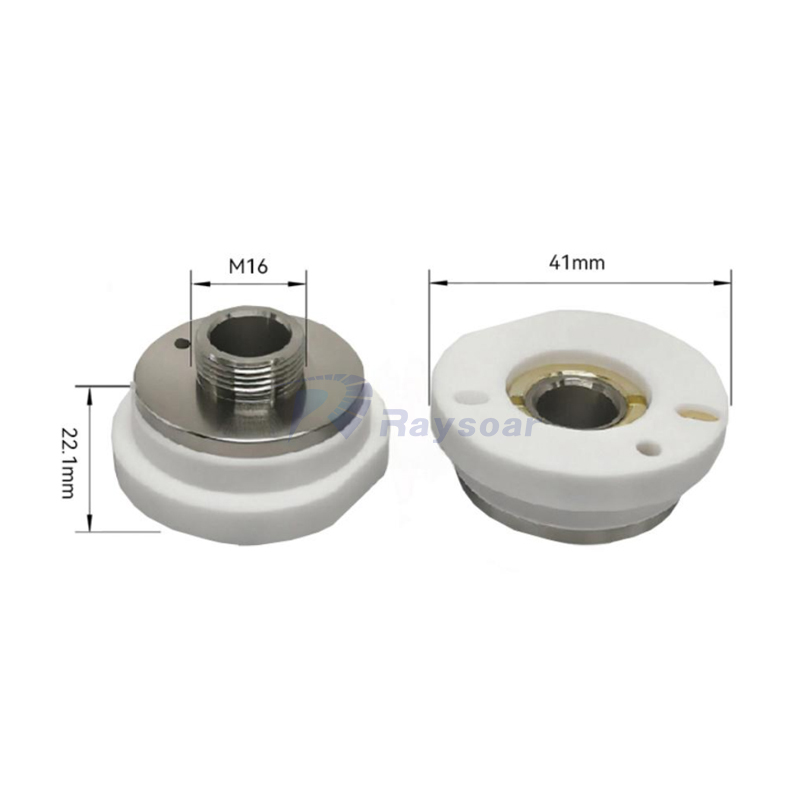
Separate the head model from the nozzle and holder details in your notes. A similar name does not mean that parts can be swapped across all heads. The D41 M16 H22 mm holder is listed for the BLT663H nozzle water cooling application. If your head has a cooling connection, ask for a check of the connection and seal details. Do not assume that a dry head and a water cooled head use the same holder.
Where a drawing or part number is available, use it to support the choice. Where it is not, ask for the missing details to be checked. A part may look close yet differ in the depth of its seat or in a contact point. Keep the old part until the match has been reviewed. Any final fit decision should follow the head maker's documentation and the needs of the actual machine.
Laser Cut Ceramic Holder Replacement
Follow the machine maker's safety and service instructions before working on the head. Isolate the machine as directed and allow the area to cool. Use trained staff for removal and fitting. Do not force a holder that does not seat as expected. If the head has a water circuit, follow its service steps and check for leaks before the machine returns to use. This page does not replace the manual for your equipment.
During a routine review, look for visible chips, cracks or dirt on the removed part and its mating area. Keep loose debris away from the head. Use only the cleaning method allowed by the equipment maker. Record what you find and ask for help if damage extends beyond the holder. After fitting, carry out the checks called for in the head manual. A change in cut quality can have more than one cause, so avoid treating a new holder as a fix for every fault.
Bring the Details Together
For a laser cut ceramic holder inquiry, give the team one set of notes covering the intended head, the old part and the planned use. Mark any unknown size or feature as unconfirmed. This makes it easier to compare the listed options without turning a close visual match into a promise. The team can then review the facts before a purchase is approved.